
__________________________________
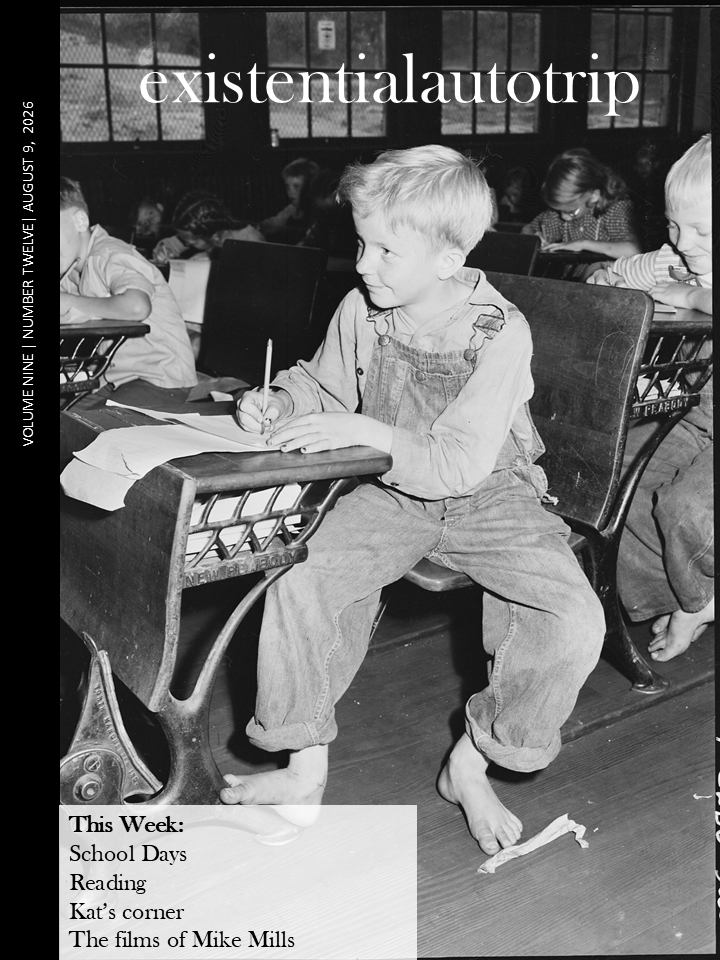
Tucker’s August 9, 2026 cover
# 1776
___________________________________
Thoughts from Dom’s Porch
Schooldays, schooldays,
Good old broken rule days.
Reading and writing and ’rithmetic…
The ditty makes school days sound carefree.
If only.
The reality is that the start of every August reprises an annual struggle many families experience as they plan for a new school season.
Although public schools are tuition free, families face ever rising costs for clothes (and/or uniforms), books, supplies, technology, transportation, and extracurricular activities fees.
Children’s confidence is shaped by whether they arrive with the right calculator, the right Chromebook, the right shoes, the right backpack. Small material signals reveal who has resources and who doesn’t. It’s hard to focus on learning when you’re worried about being visibly behind before the school year even starts.
What should be a joyously exciting time for students is often a financial stress test with pressures that shape classroom confidence, social acceptance, and even academic engagement.
Any ideas?

First primary school in Nigeria, built in 1845[1]
Omoeko Media - Own work
first primary school building in Nigeria in Badagry, Nigeria

__________________________________
More Thoughts from Dom’s Porch
Why do we do it?
Read, that is.
The quiet intimacy of it?
Maybe.
Maybe?
Are you old enough to remember that song?
Hint: recorded by the Chantels, one of the first successful American female singing groups, released in December 1957.
Maybe,
If I prayed every night,
You'll come back to me.
And maybe.
We thirteen-year-old white dudes loved, loved, loved that song.
Sorry.
Back to reading.
Why is it special?
A book sits patiently beside you like a mother.
A book doesn’t ping, scroll, refresh, crash, or autoplay.
Nothing in the book tracks how long you linger on a sentence or
whether you reread a paragraph.
You don’t read for likes, shares, or public display.
So why do we do it?
Because reading is one of the few remaining unmediated experiences.
One of the last places where your interior life is sovereign.
Choosing a book can be fun or frustrating.
Sometimes we read because of recommendations.
What are friends for?
Sometimes we choose from an ad we’ve seen, or a school assignment, or a job requirement.
Perhaps we’re drawn to a title, or a book cover.
Or we seek calm or comfort, or a challenge.
Or we’re attracted by the genre, story,
We pick up a book.
We worm our way deep into our comfy armchair, turn on the reading lamp, and block out the world.
Time and breathing both slow.
We open the book to Kipling: “When ‘omer smote his bloomin’ lyre…”
We smile and burrow further into our chair.
One of the other good things about reading?
It’s not a team sport.
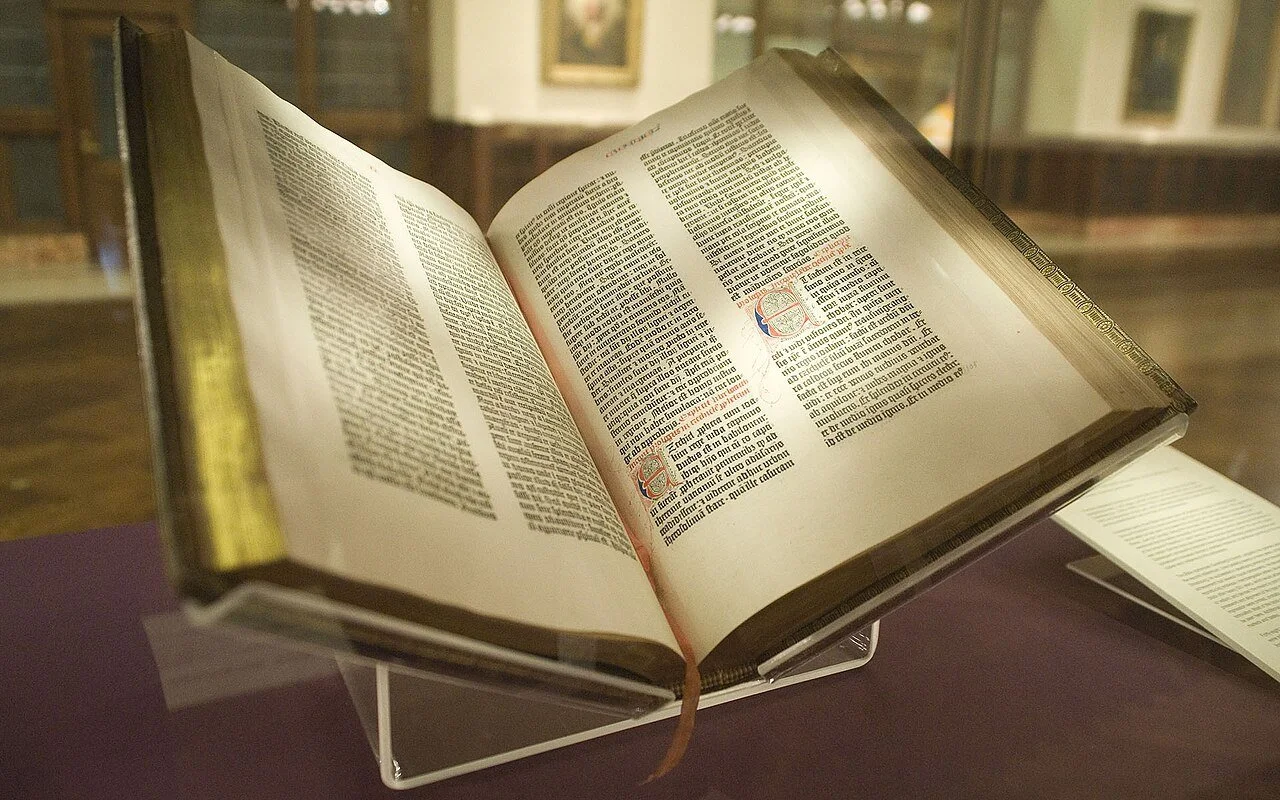
The Gutenberg Bible, published in the mid-15th century, was one of the first books to be printedusing the printing press.
NYC Wanderer (Kevin Eng) - originally posted toFlickr as Gutenberg Bible
The Gutenberg Bible [Bible, Latin Vulgate. Ca. 1455]. Biblia Latina. [Mainz: Johann Gutenberg, ca. 1455]. Rare Books Division. From the Lenox Library The first substantial printed book is this royal-folio two-volume Bible, comprising nearly 1,300 pages, printed in Mainz on the central Rhine by Johann Gutenberg (ca. 1390s-1468) in the 1450s. It was probably completed between March 1455 and November of that year, when Gutenberg's bankruptcy deprived him of his printing establishment and the fruits of his achievements. The Bible epitomizes Gutenberg's triumph, arguably the greatest achievement of the second millennium. Forty-eight integral copies survive, including eleven on vellum. Perhaps some 180 copies were originally produced, including about 45 on vellum. The Lenox copy, on paper, is the first Gutenberg Bible to come to the United States, in 1847. Its arrival is the stuff of romantic national folklore. James Lenox's European agent issued Instructions for New York that the officers at the Customs House were to remove their hats on seeing it: the privilege of viewing a Gutenberg Bible is vouchsafed to few. (Shortened text copied from placard seen in the background)
_______________________________________________
And Even More Thoughts from Dom’s Porch:
Much of this piece was crafted from information derived from AI.
Winning twenty tennis majors is not what makes Roger Federer special. But his philanthropy does, a charitable streak that took shape when he founded, built, shaped, and operated the Roger Federer Foundation. His role in the Foundation is hands‑on, long-term, and deeply-aligned with his values.
Federer founded the organization in 2003, when he was only 22, before he became a global icon.
He got the inspiration from his mother, Lynette, who grew up in South Africa. Roger saw firsthand how early‑childhood education determines a child’s entire trajectory and settled on the foundation as his way of honoring her and addressing a need he felt was both urgent and solvable. The foundation supports early‑childhood education in southern Africa and Switzerland through long‑term, community‑driven partnerships.
Roger is fully involved in the work.
He reviews project proposals and helps decide which partnerships to pursue. He visits field sites — Malawi, Zambia, Namibia to meet teachers, parents, and children.
He fundraises quietly, often matching donations or contributing personally.
He keeps the foundation focused on early‑childhood education rather than expanding into scattered causes.
He monitors impact metrics, ensuring programs actually improve learning outcomes.
It’s had a powerful impact on the districts it services, since 2003 supporting more than 2 million children through teacher training, school development, early‑learning programs, community support systems, and nutrition and health initiatives tied to education.
The Roger Federer Foundation is one of the most effective athlete-led foundations in the world.
On the Court, his grace towards his opponents, and his old‑world sense of decency set him apart from most other sports champions.
He treated opponents as partners in a shared craft, never as enemies.
He thanked ball kids, umpires, and ground crews with the same sincerity he offered royalty.
He comforted defeated rivals, showing that excellence doesn’t require cruelty, and that ambition doesn’t have to erase kindness.
He stayed present with fans.
He reminded us that beauty in sport can coexist with beauty in character proving that quiet goodness can still be magnetic.
His legacy endures, not just as a champion athlete, but as a model of how to be human.

Federer serving at the Australian Open in 2014
Peter Myers from Melbourne, Australia - The Federer Technique - Oz Open 2014
The Federer Technique - Australian Open 2014
__________________________________
Kat’s Gen Z Corner
__________________________________
Tucker’s Corner
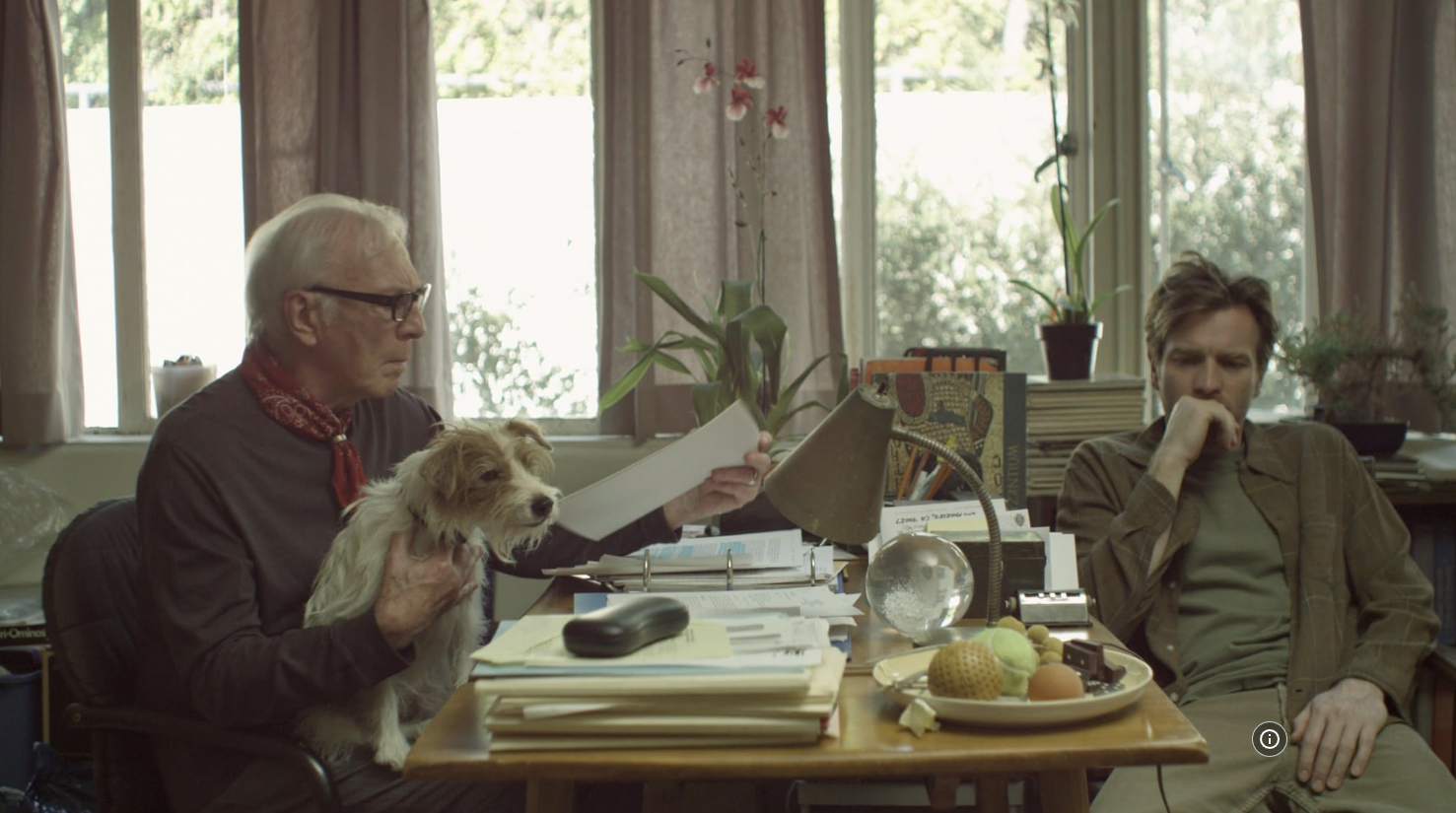
The Films of Mike Mills
I cried the first time I saw a Mike Mills film. I still remember the feeling with surprising clarity: sitting in a screening of Beginners, at the MFA in Boston, sometime around 2010, and realizing that something in me had already been opened before the film even began. Mike was there introducing it, and the way he spoke—so plainly, so vulnerably—about his own background and personal inspirations felt disarming to me. It was not the kind of guarded performance I expected from an American filmmaker who lived in Hollywood. It felt like someone letting us in close.
Since then, I have come to understand that you don’t need Mike standing in front of you for his films to make you cry. He is always there in them somehow—in the rhythm, in the tenderness, in the way the camera seems to notice what people are too afraid or too tired to say out loud. His films share a clear voice, a distinctive gaze, and a deeply personal approach to filmmaking. Their effect is difficult to explain. There is a kind of sleight of hand to his work: like magic, you can feel it changing something in you before you understand how it happened. And as for Hollywood—well, Mike never seemed to belong to that machinery anyway.
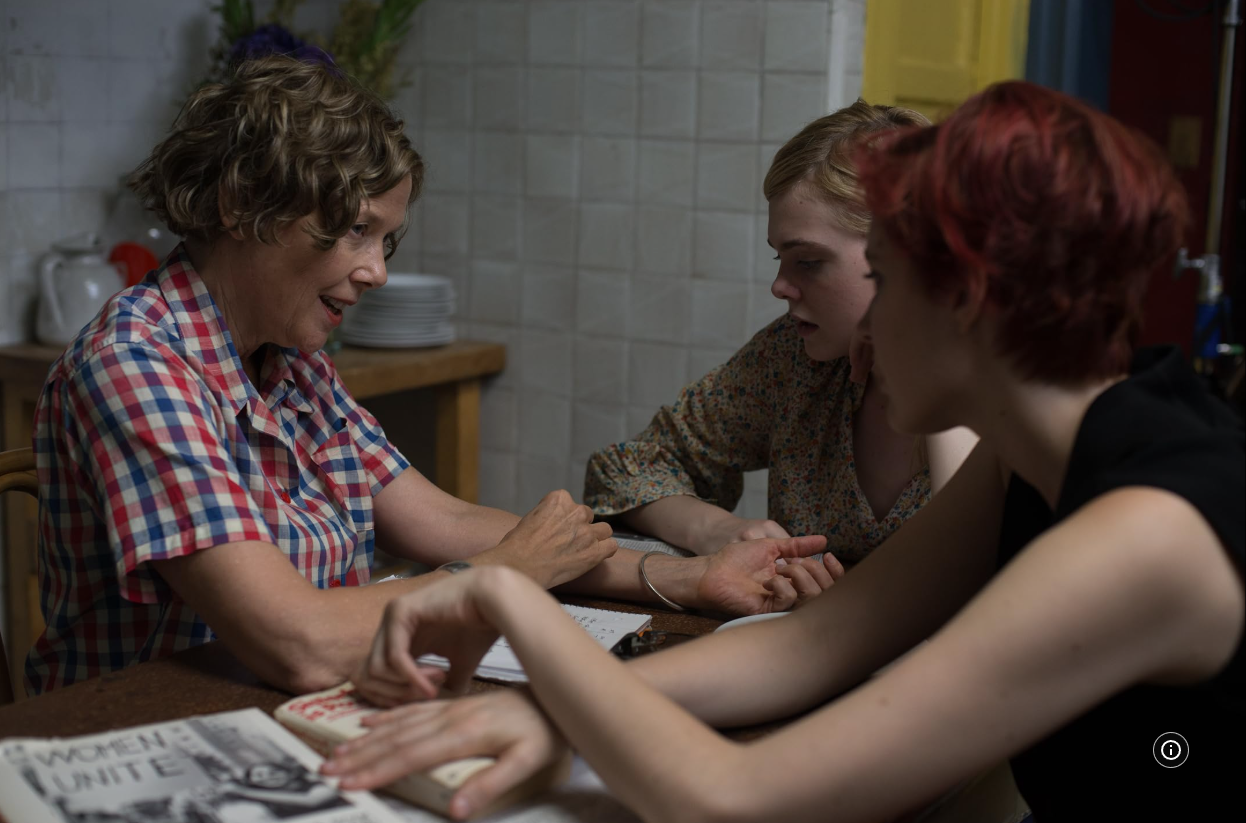
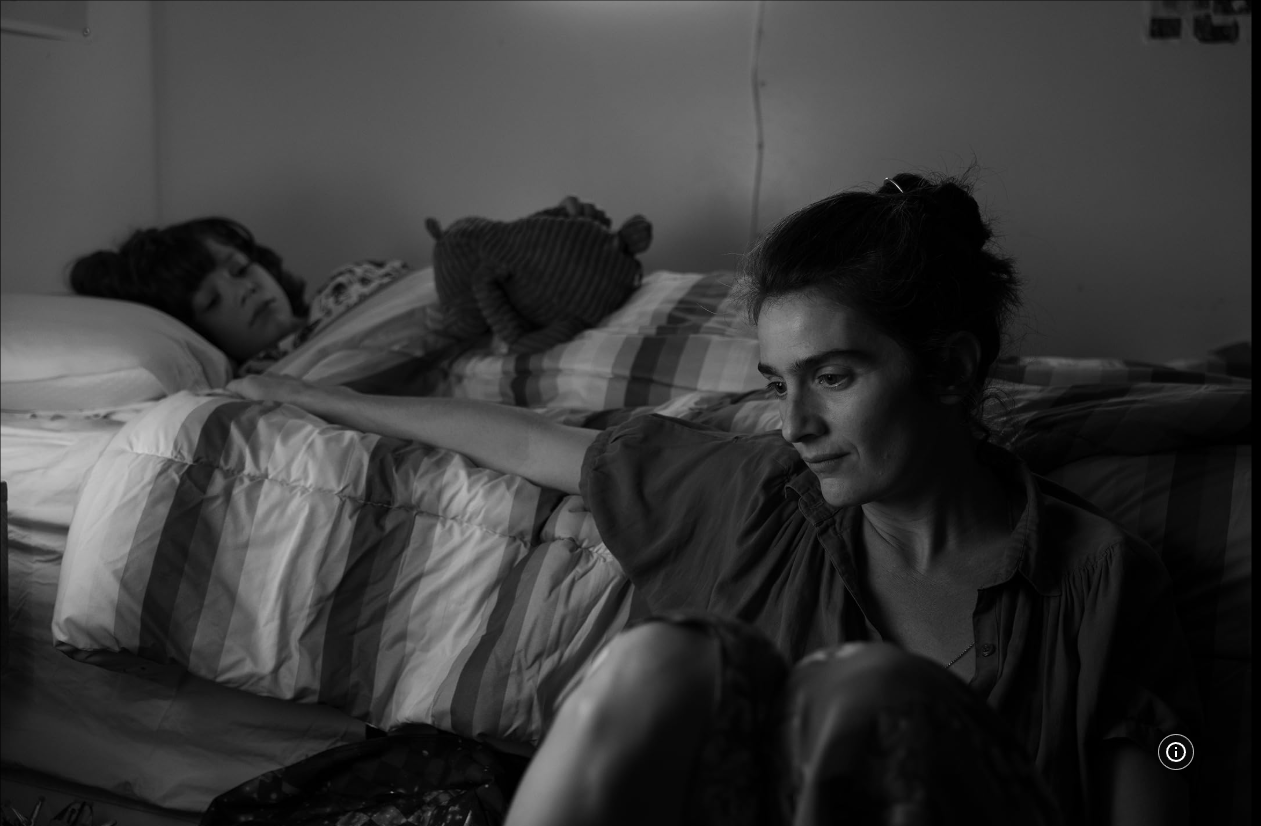
Mike Mills’s films are inhabited by human beings whose inner worlds stay with you long after the plot has faded. They matter not because of what happens to them on the surface, but because of the way they struggle privately—with love, fear, memory, family, and the strange difficulty of being understood. It is as if the voice of his cinema quietly aligns us with the people we are watching, always in an unusually caring way. In his fiction features since his first film, Thumbsucker—Beginners (2010), 20th Century Women (2016), and C’mon C’mon (2021)—the characters are often flawed in their ability to function within conventional family structures. But their failures are never treated cruelly, and the tensions in their relationships are never reduced to simple antagonism. A parent or partner is not just an obstacle to overcome. The psychodynamics are rich and paradoxical in these films, just like in life, and I think that is why they hurt in such recognizable ways.
Several of his male characters have left behind old ideas of masculinity—the meritocratic men with missions, battles, and grand narratives—and instead seem to long, almost helplessly, for connection and intimacy. But in Mike’s films, even closeness is complicated. Even the people who love each other do not always know how to reach each other. The films are shaped by inactivity as a narrative force, by silences that seem to hold entire histories, and by looks that we in the audience are allowed to witness though no one else in the scene can. Those stolen moments of lonely contemplation are part of what makes watching his films feel so strangely communal: we sit in the dark with strangers, recognizing private feelings together.
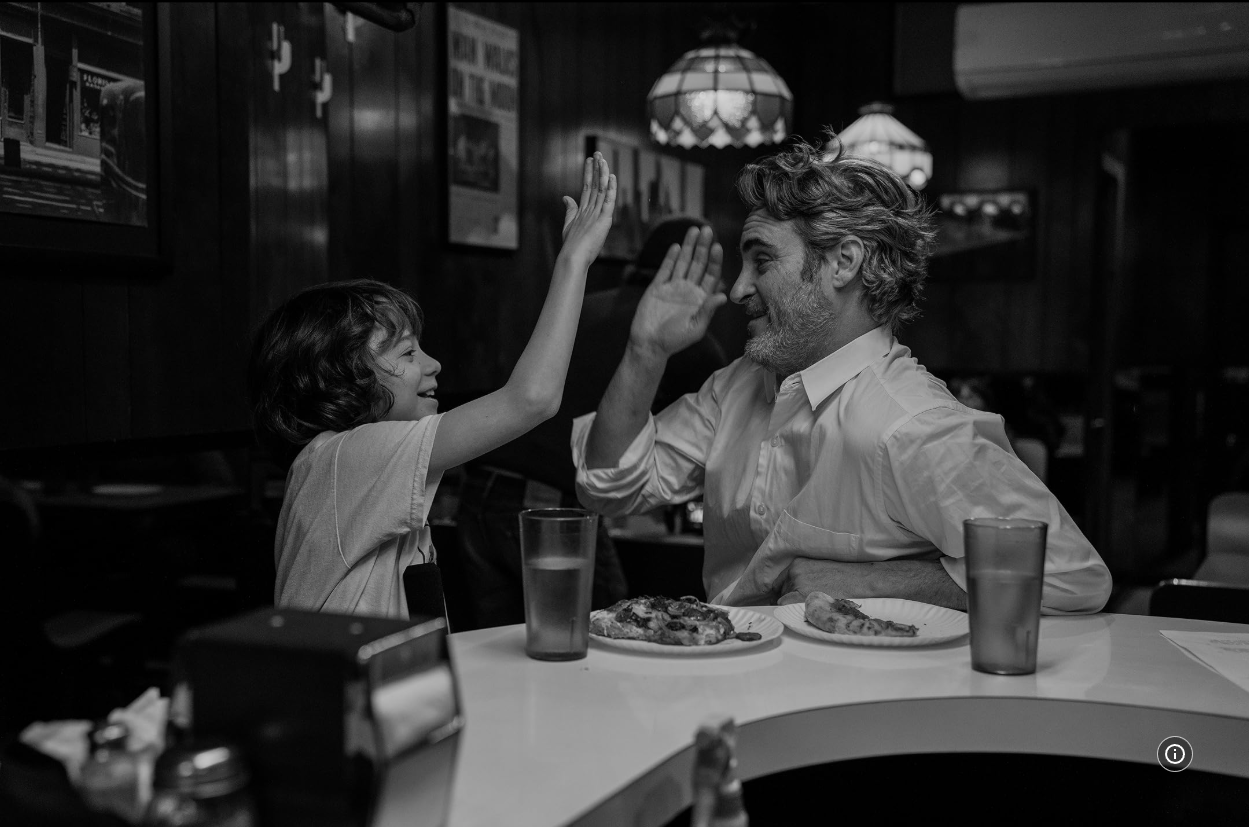
The sophistication of Mike Mills’s design lies in how gently it teaches us to see the hidden interconnections of our unconscious motivations and movements. His films remind me that the real drama of life rarely arrives as a scene of people yelling or making grand gestures. More often, it happens in the tender, quiet moments we almost miss: a hesitation, a glance, a failed attempt to explain ourselves, a brief feeling of being loved, or the everyday despair of not knowing how to ask for what we need.
Like in Beginners: a man approaching midlife (Ewan McGregor) looks at his father (Christopher Plummer), who, having recently come out of the closet, is in love maybe for the first time, while also dying from cancer. I find that premise almost unbearably moving—not because it is tragic in any simple way, but because it asks whether seeing someone else become more fully themselves might make it possible for us to do the same. Could observing his father reshape the man’s ability to connect romantically? Moving through love and loss at once, the film asks how family dynamics live inside us, how they shape our yearning to get close to one another, and how memory can fail us while still offering, in its glitches, the possibility of change.
Here’s the trailer for Beginners
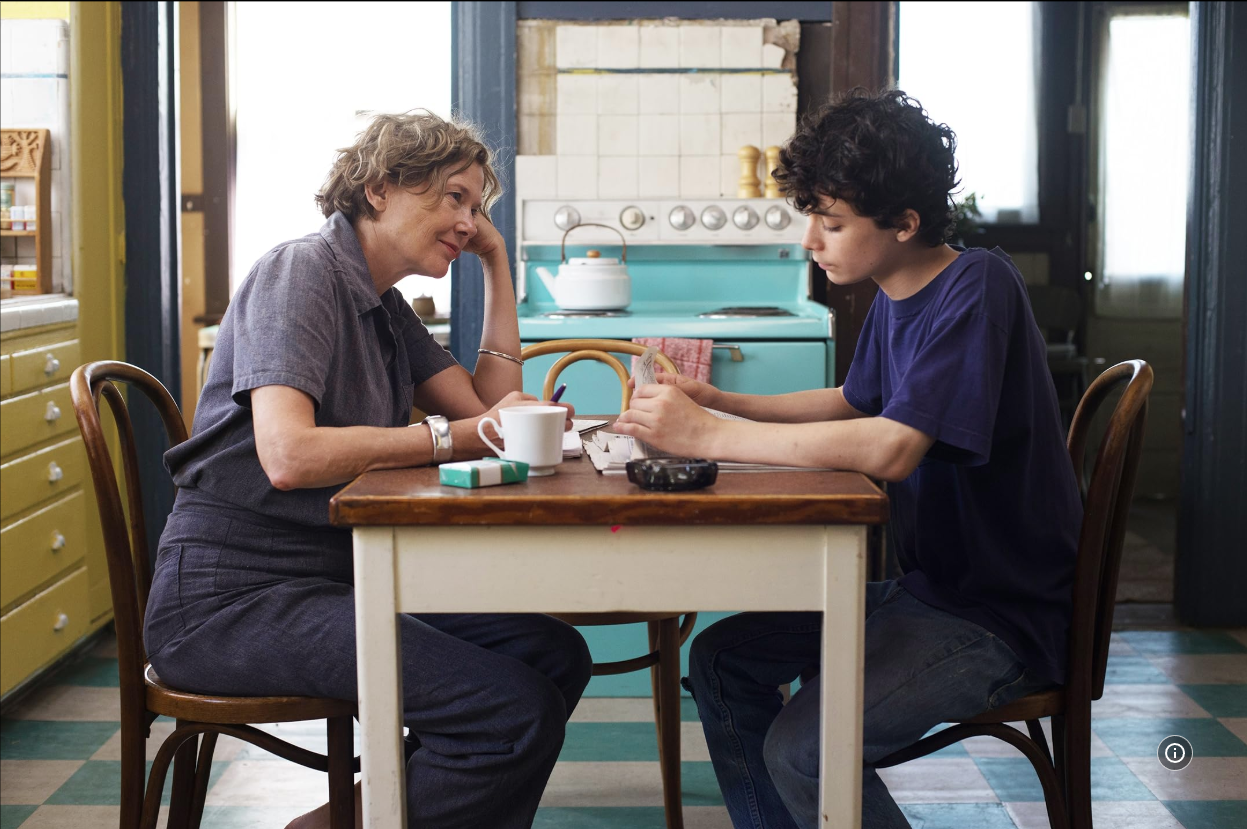
Or like in 20th Century Women: set in 1979, the film portrays three women of different ages and the ways they help guide a teenage boy through a time of enormous social change. The mother (Annette Bening), born in 1924 and shaped by the Great Depression, is trying to understand a son (Lucas Jade Zumann) who wants independence in a world that is becoming more fragmented by the day. What moves me most is that the film never treats parenting, adolescence, or womanhood as fixed categories. Everyone is trying to learn from everyone else, and everyone is failing in small, human ways. As a multigenerational slice of American life in the late seventies and beyond, the film asks the big questions without making them feel abstract: How do we live as children and parents? Why is communication with and connection to others so difficult? And why can’t fans of Black Flag be friends with people who like Talking Heads?
Here’s the trailer for 20th Century Women
And finally, like in C’mon C’mon: a radio documentarian (Joaquin Phoenix) has to bring along his estranged nephew (Woody Norman) as he travels across America asking children how they feel about the future. The film moved me because it understands listening as an act of love. Not fixing, not explaining, not pretending to know—but actually listening. As he tries to speak honestly with a nine-year-old about the difficult truths of life, his openness begins to reshape his other relationships too. Through recordings, questions, and fragments of memory, he begins to make sense of the constant flow of time, and of the fragile ways we try to hold on to one another inside it.
Here’s the trailer for C’mon C’mon
Despite their intimacy as character studies, these films have an impressive scope. They always remind us of the historical and cultural context surrounding the people we are watching, seeing the United States through the prism of individual human experience. This is, to me, the quiet epic quality of Mike Mills’s body of work: he understands that private life is never only private, and that our most personal memories are shaped by larger forces—political, cultural, economic, generational—that we may not even fully understand while we are living through them.
His montage sequences—composed of moving-images, still photographs, and a narrator’s voice that places the surrounding story within a broader cultural context—are a recurring formal gesture in his work. I love these passages because they seem to say that none of us exist outside of history, even when we feel most alone. They reveal the paradox of how culture shapes us while also being sold back to us as a surface of change, even as the deeper ache of being human remains. The personal tragedies of lived experience can never be fully reduced to social analysis, and yet social life is always there, pressing on the most intimate parts of us.
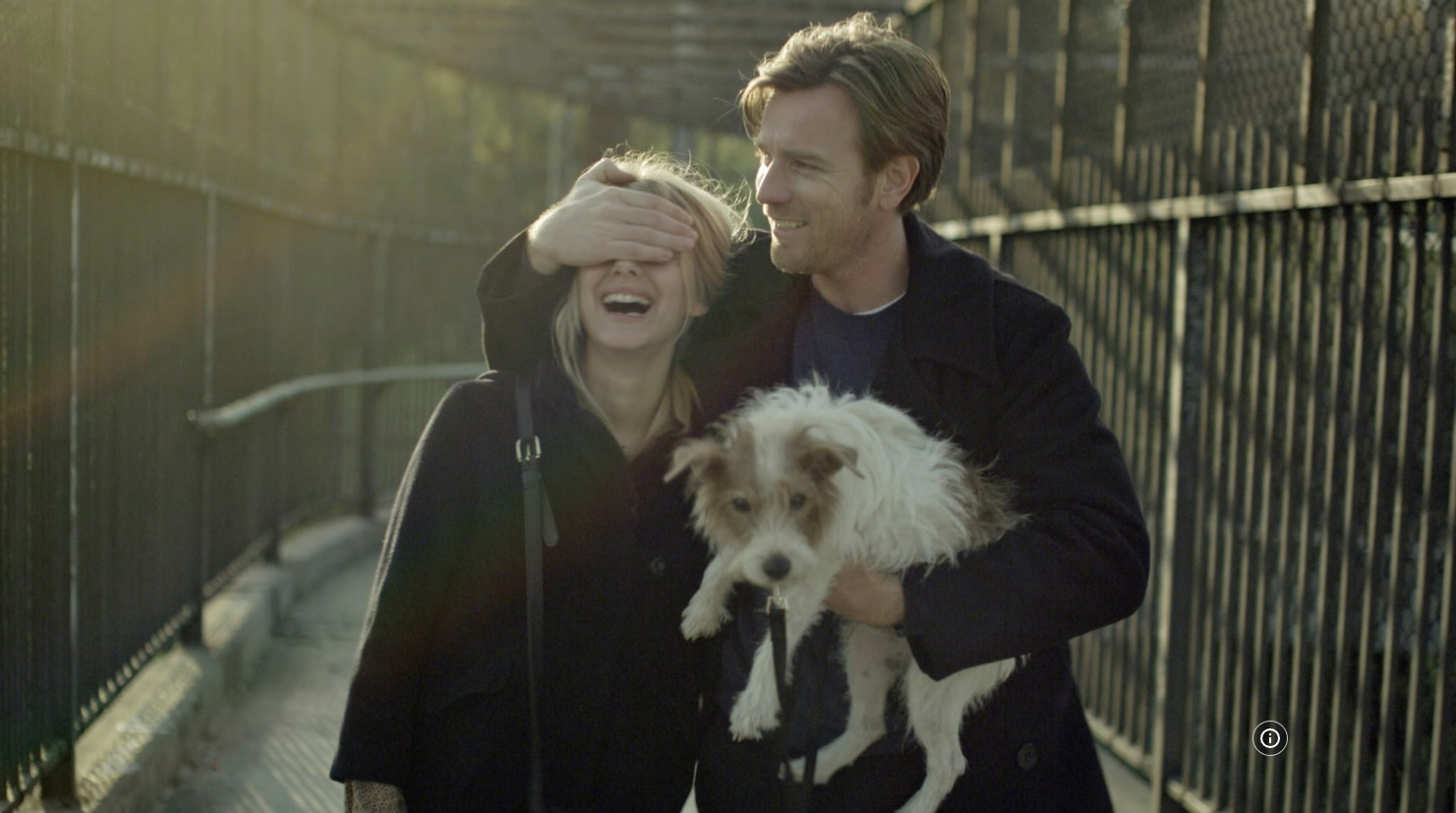
In existential terms, the films question the meaning of the material world—our objects, our presidents, our genders, our beliefs—as seen through the everyday lives of ordinary people. In the nephew and uncle’s grappling with time and change in C’mon C’mon, there is an awareness that so much will be forgotten. And still, there is also the choice to remember. By recording their thoughts, by listening carefully, by trying to name what is happening before it disappears, they attempt, at the very least, to “see each other” along the way—through sound, images, and words. That attempt feels small, but in his films it is also everything.
Though they look clearly at human experience, these films are not made in the improvised, gritty manner of tough social realism. Mike’s formal originality and sense of exploration show us a way to bring the big machine of filmmaking to a much subtler, more fragile place. A place where sadness and beauty can sit beside each other without canceling each other out. A place I want to return to time and time again.
But what impresses me most is how well Mike understands psychology—not as theory alone, but as lived experience. He seems to understand the invisible dynamics inside and between us: the needs we hide, the grief we carry, the ways we ask for love without knowing how to say it directly. He is truly a great observer of life, and watching his films has often made me feel more forgiving toward other people, and sometimes even toward myself.
I will sometimes meet people who haven’t seen a Mike Mills film, and I will try to explain what they are like. It is always impossible. In the end, you really just need to see one for yourself.
_________________________________
Chuckles and Thoughts
_________________________________
Six Word Stories
"Stay," she whispered. The door closed.
This six‑word story is about hesitation, misalignment, and the heartbreak of being a moment too late.
The emotional logic is simple and devastating:
She finally asks him to stay. But she asks too softly, or too late, or after he has already decided to leave.
The door closing means he didn’t hear her, or didn’t believe her, or couldn’t bear to turn back. The whisper is intimacy; the closing door is finality.
The story lives in the gap between what she wants and what actually happens. It’s the ache of connection attempted at the exact moment connection becomes impossible.
Here are definitions of the deeper emotional mechanics:
The whisper — desire expressed in the smallest, most vulnerable way.
The closed door — a boundary, a decision, an ending.
The timing — the tragedy isn’t rejection; it’s misalignment.
The silence afterward — the part the story doesn’t say, but you feel.
This is a soft ache with a sharp edge — the kind of emotional wound that comes from almost‑connection.

Interior with Woman at Piano, Strandgade 30 (1901)
Vilhelm Hammershøi - http://www.sothebys.com/en/auctions/ecatalogue/lot.7.html/2017/impressionist-modern-art-evening-sale-n09740
Vilhelm Hammershøi, Interior with Woman at Piano, Strandgade 30, Oil on canvas, 55.9 x 44.8 cm, painted in 1901.
Vilhelm Hammershøi’s Interior with Woman at Piano, Strandgade 30 (1901) is a study in quiet estrangement, rendered with his signature palette of grays, creams, and muted light. The woman’s turned back is the emotional fulcrum: she is present but unavailable, absorbed in an interior world the viewer cannot enter. The room’s geometry — doors, panels, the piano’s dark mass — creates a subtle architecture of distance. Light falls softly yet reveals almost nothing, heightening the sense that this space protects its secrets. Hammershøi’s restraint is the point: no narrative, no gesture, only the ache of withheld intimacy. The painting feels suspended between invitation and refusal, a domestic scene emptied of warmth but filled with atmosphere. It’s a portrait of solitude that never tips into loneliness, a moment where silence becomes the dominant subject and the viewer is left to inhabit the stillness.
__________________________
Last Comment
It’s a dreary Monday: it’s been raining since early morning and will continue to rain until tonight.
Tomorrow is predicted to be a lovely day.
Perfect for a trip to Plum Island and walking the beach.
On the way, our gang will make a stop at the Clam Box, in Ipswich for the best fried clams in New england.

!!!!!!!!!!!!!!!!!!!!!!!!!!!!!!!!!!!!!!!!!!!!!!!!!!!!!!!!!!!!!!!!!!!!!!!!!!!!!!!!!!!!!!!!!!!!!!!!!!!!!!!!!!!!!!!!!!!!!!!!!!!!!!!!!!!!!!!!!!!!!!!!!!!!!!!!!!!!!!!!!!!!!!!!!!!!!!!!!!!!!!!!!!!!!!!!!!!!!!!!!!!!!!!!!!!!!!!!!!!!!!!!!!!!!!!!!!!!!!!!!!!!!!!!!!!!!!!!!!!!!!!!!!!!!!!!!!!!!!!!!!!!!!!!!!!!!!!!!!!!!!!!!!!!!!!!!!!!!!!!!!!!!!!!!!!!!!!!!!!!!!!!!!!!!!!!!!!!!!!!!!!!!!!!