
January 12, 2025
# 1693
______________________________________
Cover and Story
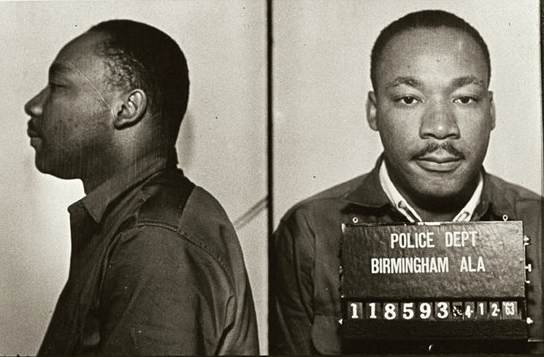
King was arrested in 1963 for protesting the treatment of blacks in Birmingham.[137]
Birmingham AL police dept - Original publication: circulated to news media in April 1963 Immediate source: http://photos.nola.com/tpphotos/2013/04/martin_luther_king_mugshot_apr.html
Mugshot of Martin Luther King Jr following his 1963 arrest in Birmingham
______________________________________
Commentary
Martin Luther King Jr. (MLK) was a pivotal figure in the American civil rights movement. Born on January 15, 1929, in Atlanta, Georgia, he was a Baptist minister and social activist who advocated for equality and human rights through nonviolent resistance. He put his principles to the test a multitude of times. Two notable ones were the Montgomery Bus Boycott in 1955-1956, which was a significant event in the fight against segregation, and his "I Have a Dream" Speech,”: on August 28, 1963, during the March on Washington, the brilliant speech calling for an end to racism and equality for all.
In 1964, MLK was awarded the Nobel Peace Prize for his efforts to combat racial inequality through nonviolent means. MLK was assassinated on April 4, 1968, in Memphis, Tennessee.
MLK's legacy continues to inspire movements for social justice and equality around the world. His work led to significant legislative changes, including the Civil Rights Act of 1964 and the Voting Rights Act of 1965.
My Lisbon Trip
I don’t know why I chose Lisbon. Warm weather on top of list. And it was warm if you dressed for winter. Their 60* is the equivalent of our 48* and there were times I was colder than I anticipated being.
But not knowing I would need my light winter jacket. I did. In the event, I had taken the winter jacket, so I was mostly okay.
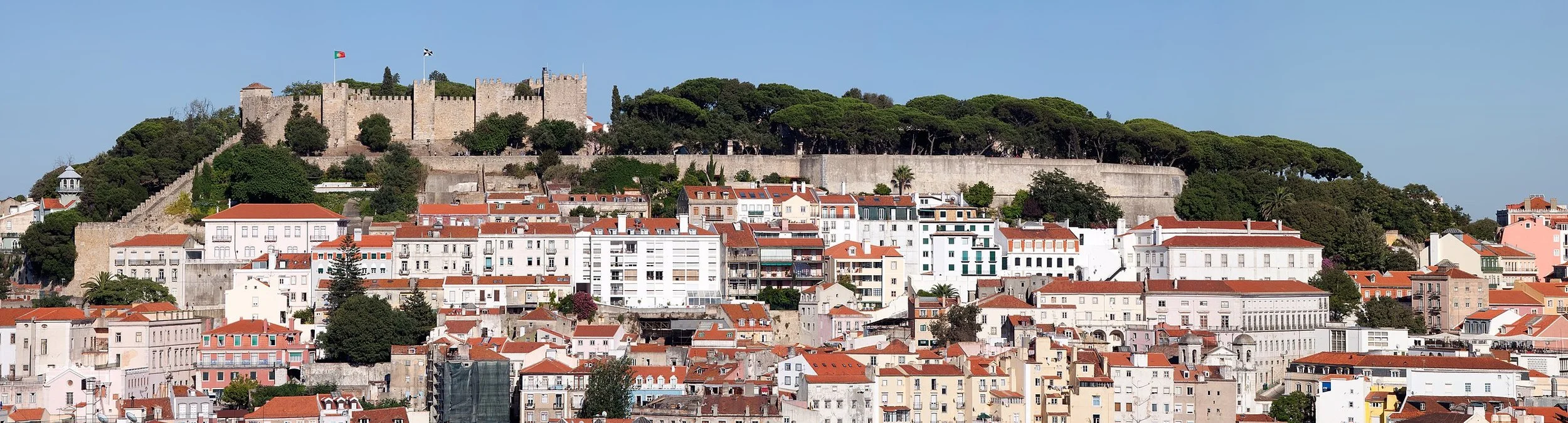
Lisbon
São Jorge Castle and the surrounding neighborhoods of Castelo, Mouraria, and Alfama
Massimo Catarinella - Own work
The Castle of São Jorge occupies a commanding position overlooking the city of Lisbon, the capital of Portugal, and the Tagus River beyond. The fortified citadel, which dates from medieval times, is located atop the highest hill in the historic center of the city. The castle is one of the main historical and touristic sites of Lisbon.
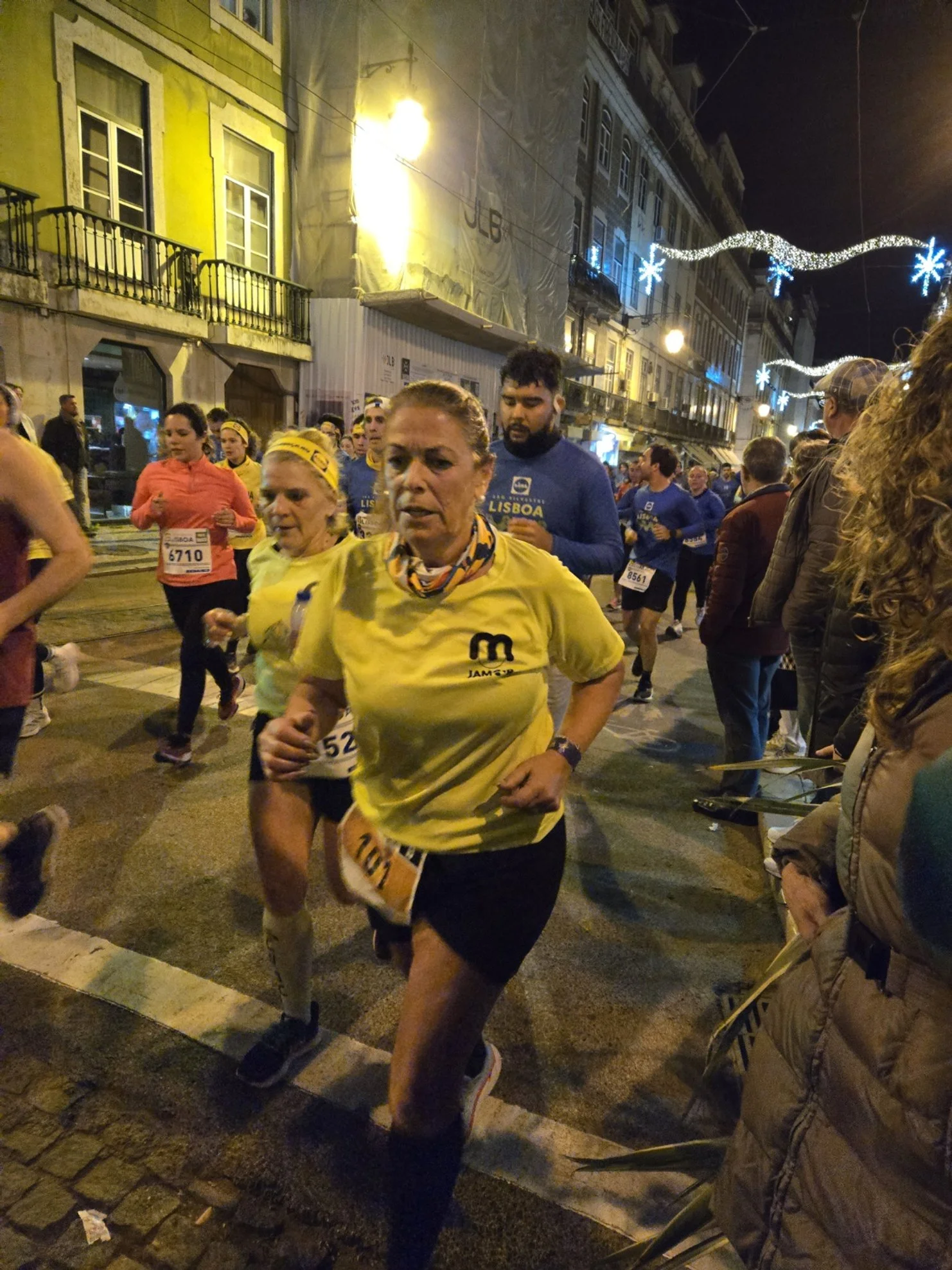
This was a Lisbon street race for charity. I waited ten long minutes but then raced across the street avoiding getting knocked down. Not everyone who tried to thread their way across did so successfully.
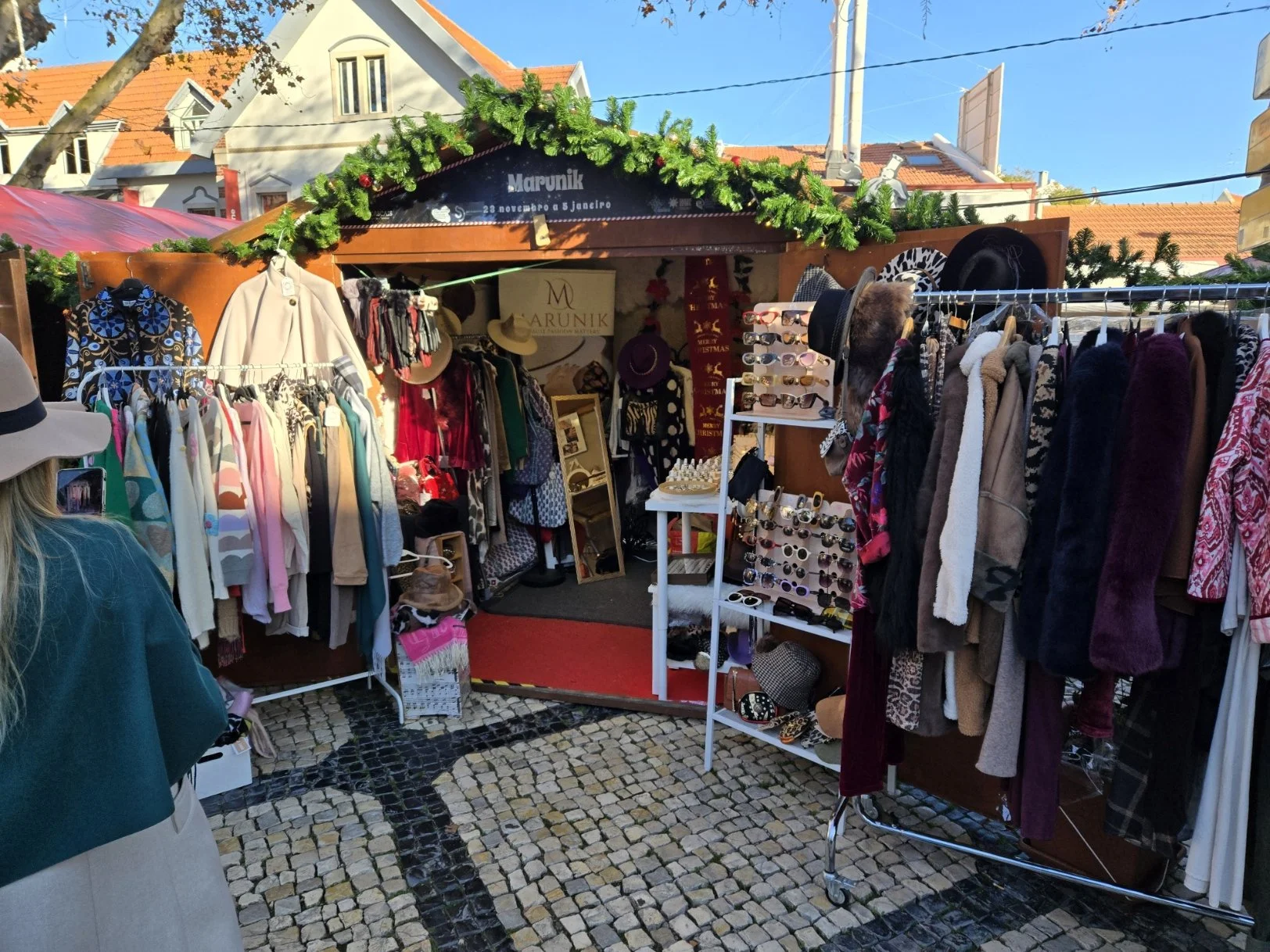
A thrift store that seemed to thrive despite my daughter’s not being here.
Kat loves to thrift shop.
She has the novel idea to bring back a piece of clothing as a souvenir from every country she visits.
“It gives us a bit of an idea of what the local population enjoys.”
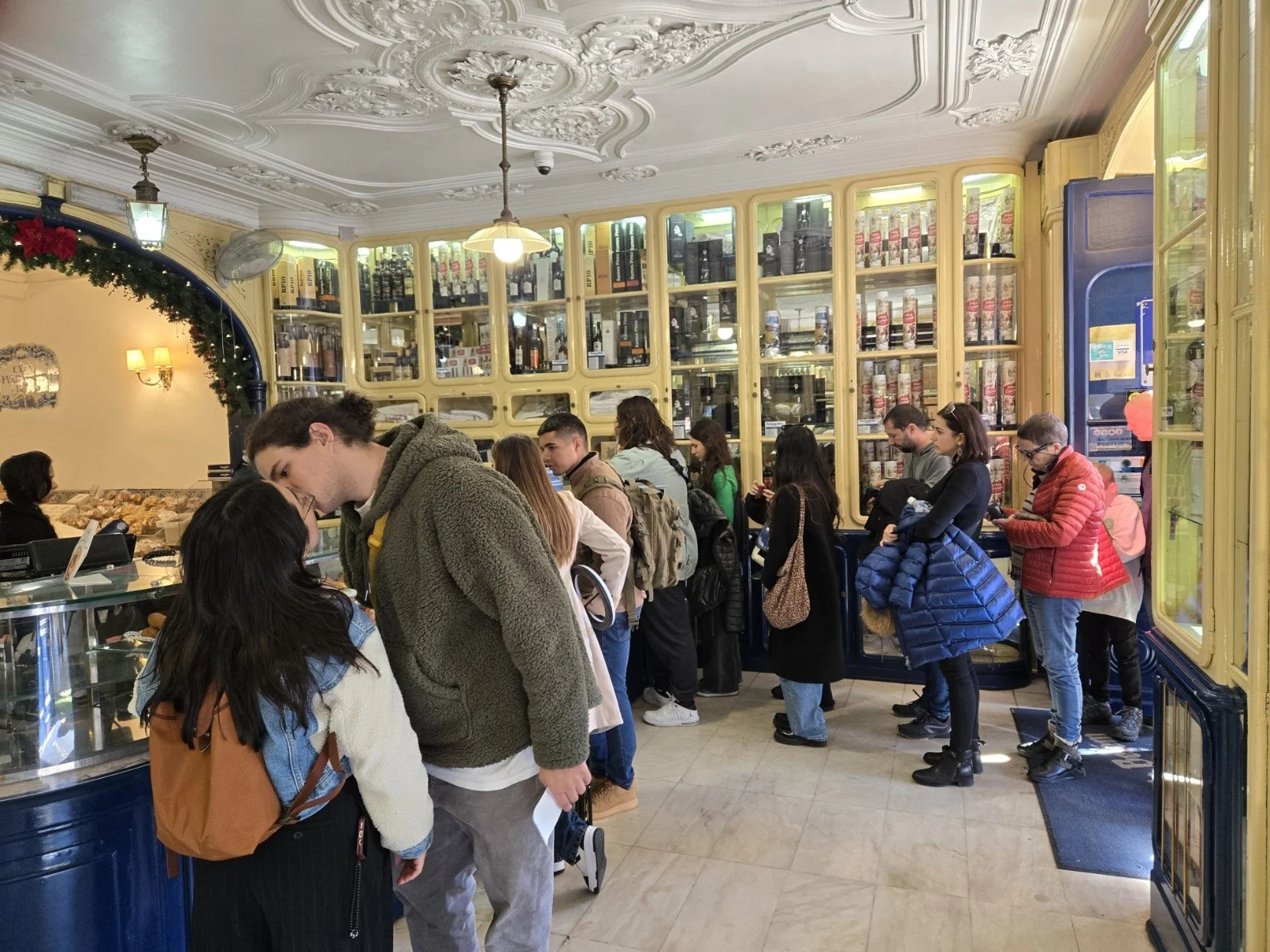
This is the most famous pastry store in Lisbon, think Mike’s Pastry or Modern Pastry in the North End.
Their custard tart is particularly famous, rightfully so.
I took an overnight flight and, as is my wont, and, as usual, did not sleep, despite taking a gummy and 10mg of melatonin. Arriving at my hotel (the Mundial) on Thursday morning at 7.00am, I was tired and wasn’t sure I’d have access to a room. While they checked their register, I went out for coffee. As I experienced in Mexico City, American Coffee is simply not available in many countries. And, too often, the coffee is poor.
I returned to the hotel to discover that the desk found a room for me. I was delighted.
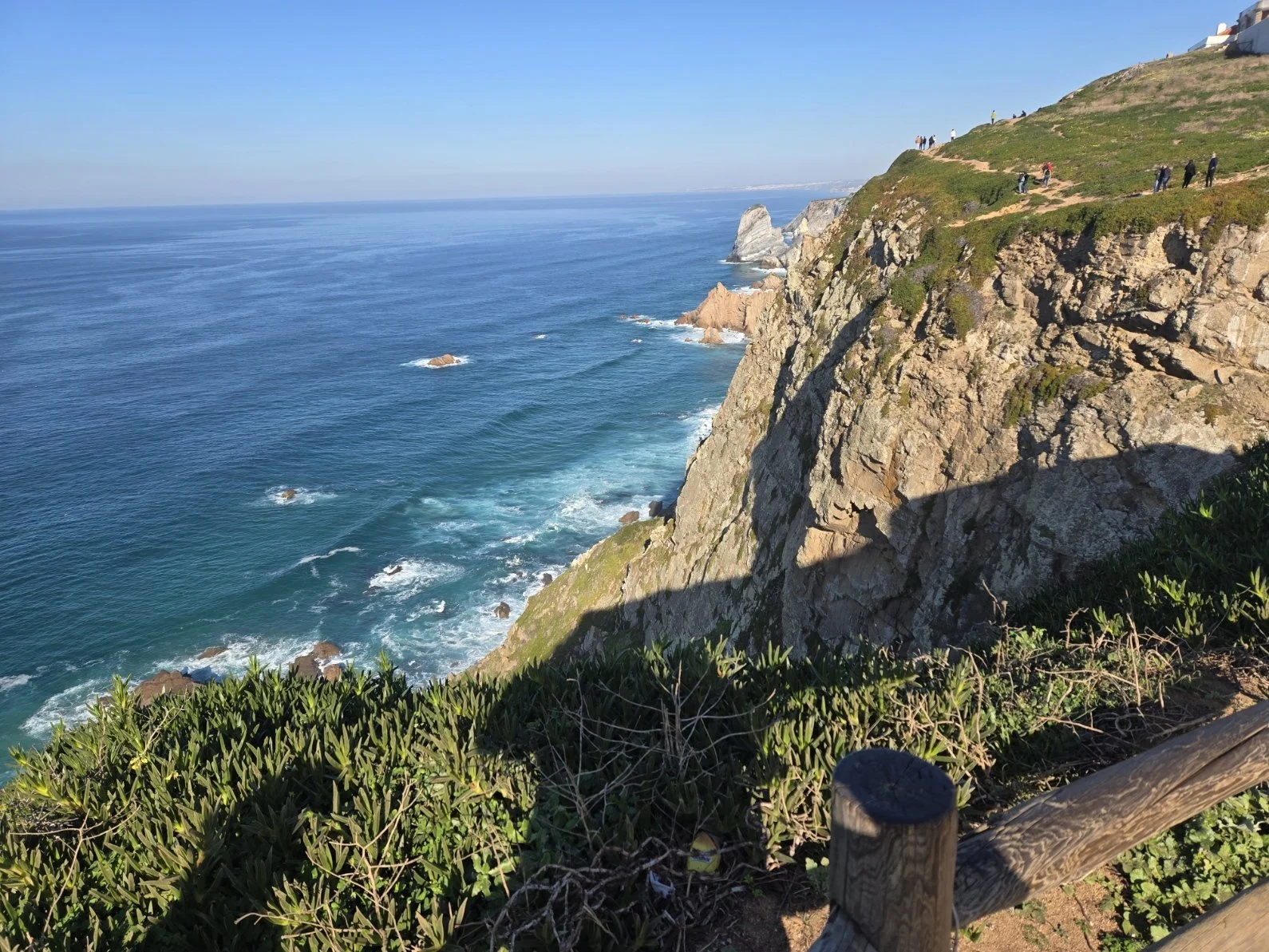
Last day I took a tour bus that took us to the municipality of Sintra wherein one may find the westernmost post from which to view the Atlantic.
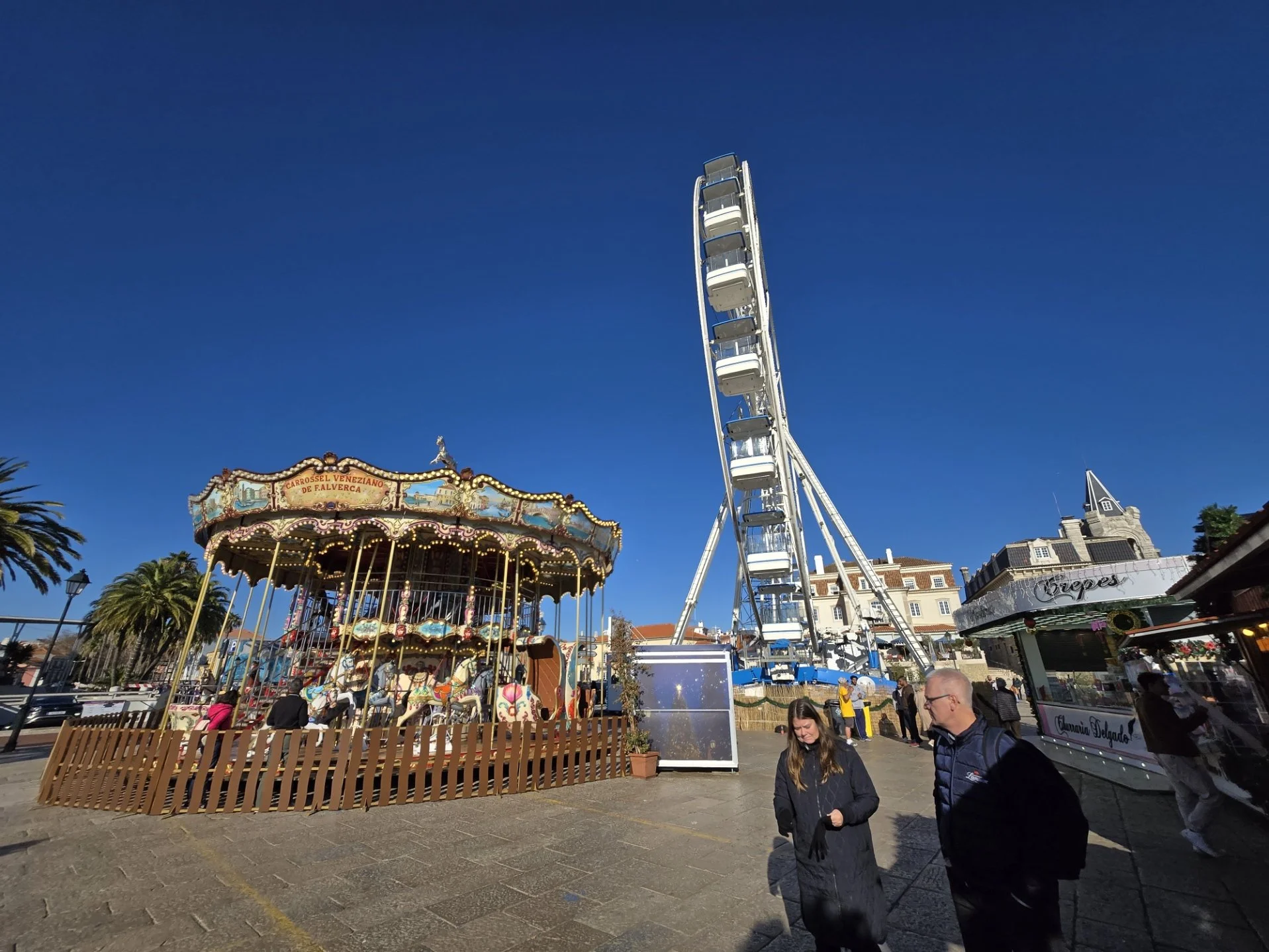
We toured around Sintra in the morning.
We lunched and walked around Cascais in the afternoon, especially enjoying the carnival atmosphere there.
I unpacked and took an uber (very inexpensive, like half Boston prices) to my furthest site and slowly wound my way back to the hotel. I was able to overcome my fatigue and enjoy the walk. I can safely brag that I have more experience than most in getting through a day while very tired.
I napped and then had the first great meal of the trip at Loco. In our next issue I’m going to talk about the three restaurants I had the pleasure of patronizing.
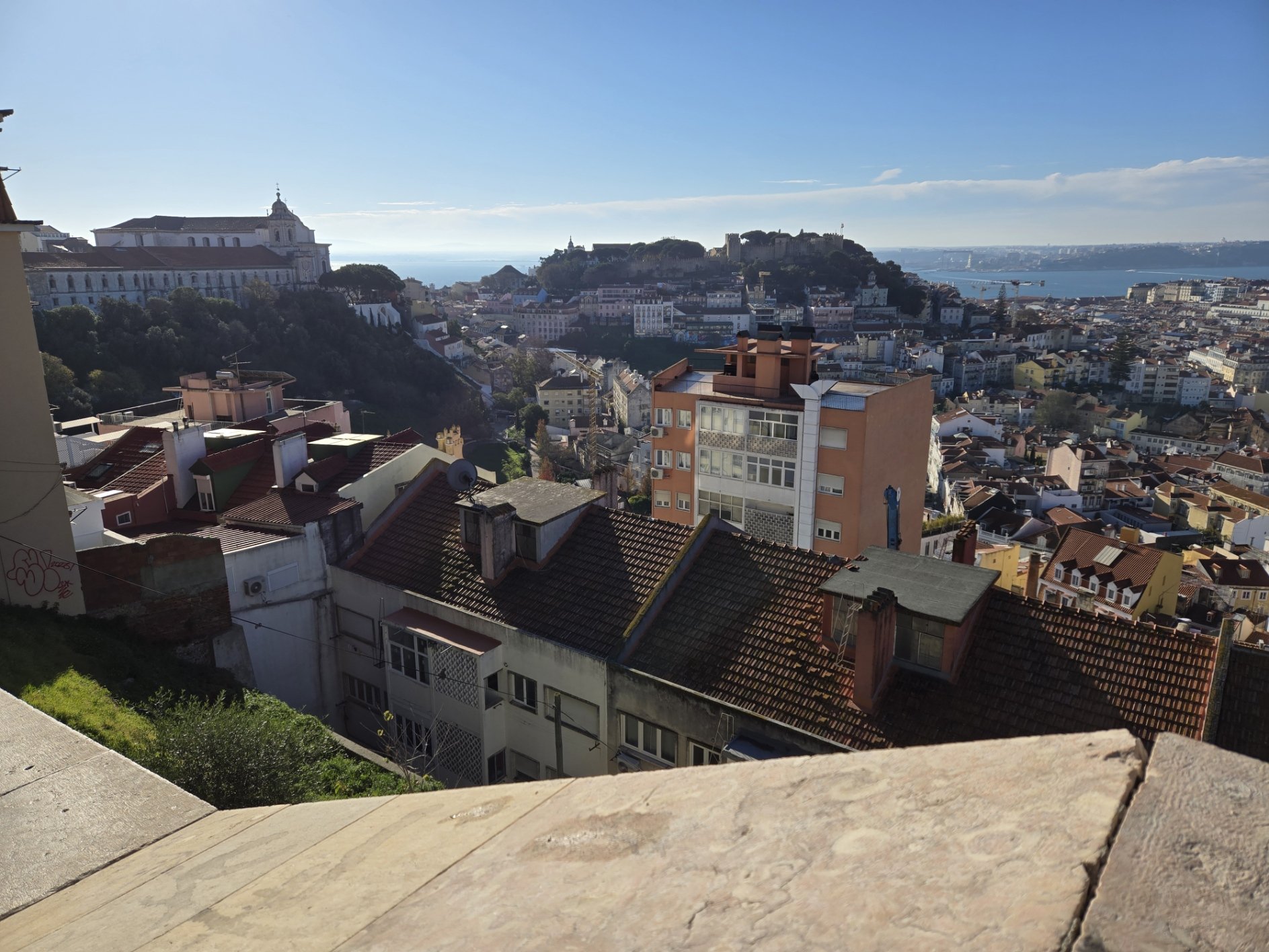
Miradouro da Senhora do Monte (Viewpoint of Our Lady of the Hill.) is located in the Graça neighborhood and offers breathtaking panoramic views of the city, including sights like the Castelo de São Jorge, Praça do Comércio, and the Cristo Rei statue. It's a popular spot for tourists and locals alike, especially at sunset when the city lights come on.
I ubered there and spent the morning in a most pleasant stroll back to my hotel.
I enjoyed a bowl of noodles to hold me until my restaurant date.
Friday was an amazing day. In the early morning (8.00am) I ubered to the highest point in Lisbon. The view was special. But it was the walk back to the hotel that made the day brilliant. Despite the height, the hillside is crowded with large, side-by-side apartment buildings that seem to threaten both pedestrians and automobiles, leaving these the narrowest of sidewalks and streets to move about. Of course, the residents have developed a number of ways to overcome the physical handicaps. One is the multitude of mini-mercados where you can go in case you’ve forgotten to buy wine or bread or whatever. Note that these are mini: the size of a living room. A second response is the prevalence of small restaurants. The hill twists and turns serpentine-like, leading ever downwards and every time there is an abrupt turn, expect to find a terrace where mom and pop offer a reasonably priced menu.
I really enjoyed that walk.

After lunch I spent the afternoon in a Tuk Tuk, the Lisbon version of an auto rickshaw.
In the afternoon, I signed on to a Tuk Tuk, an electric golf cart complete with a driver-guide. It was fun and intensely personal.
In the evening I met up with Jim Loftus who has been one of my son Mino’s best friends since college days. I hadn’t seen Jim in about twenty years. We had a long evening together and it was a hoot.
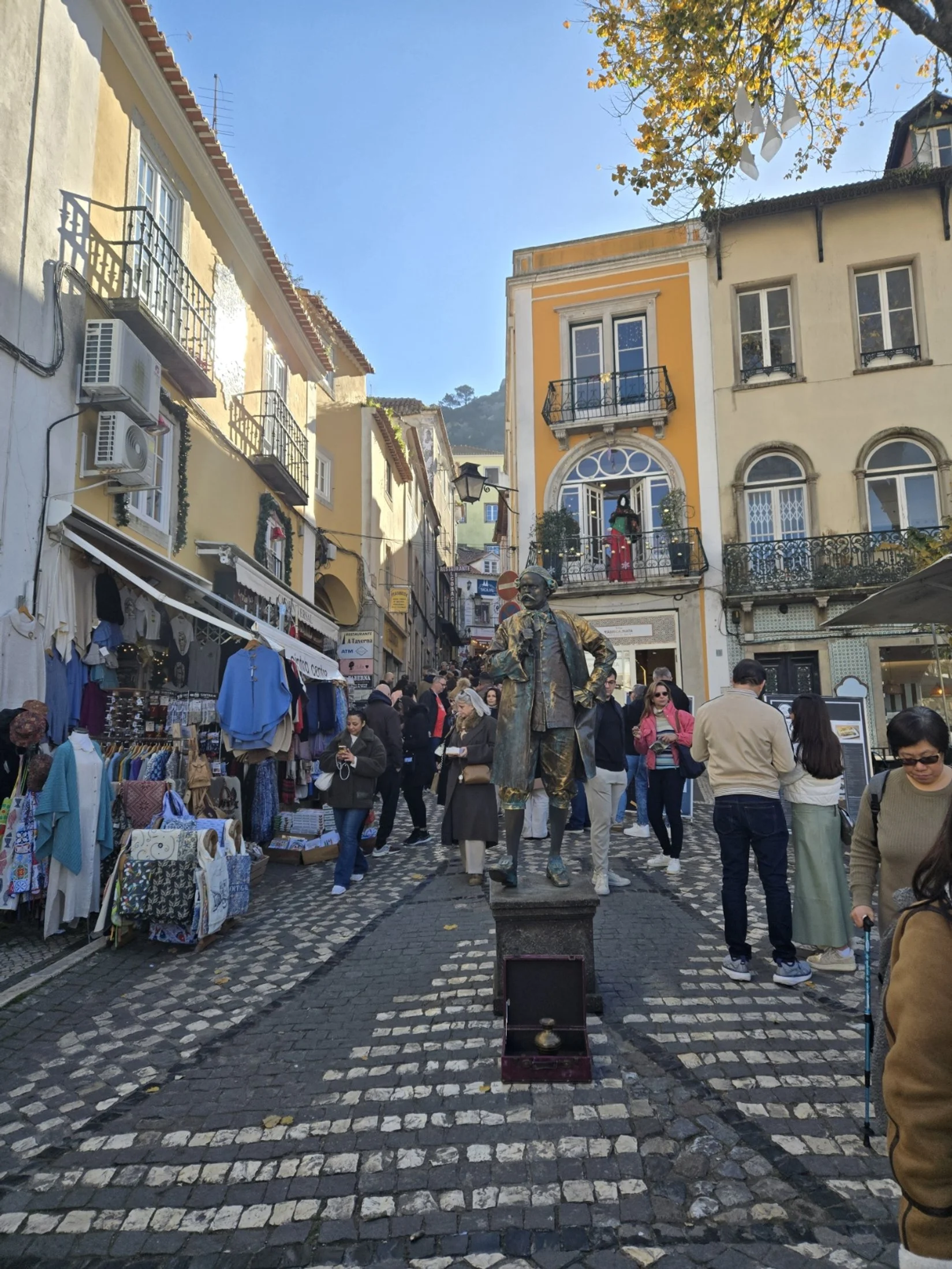
Walking back from the heights.
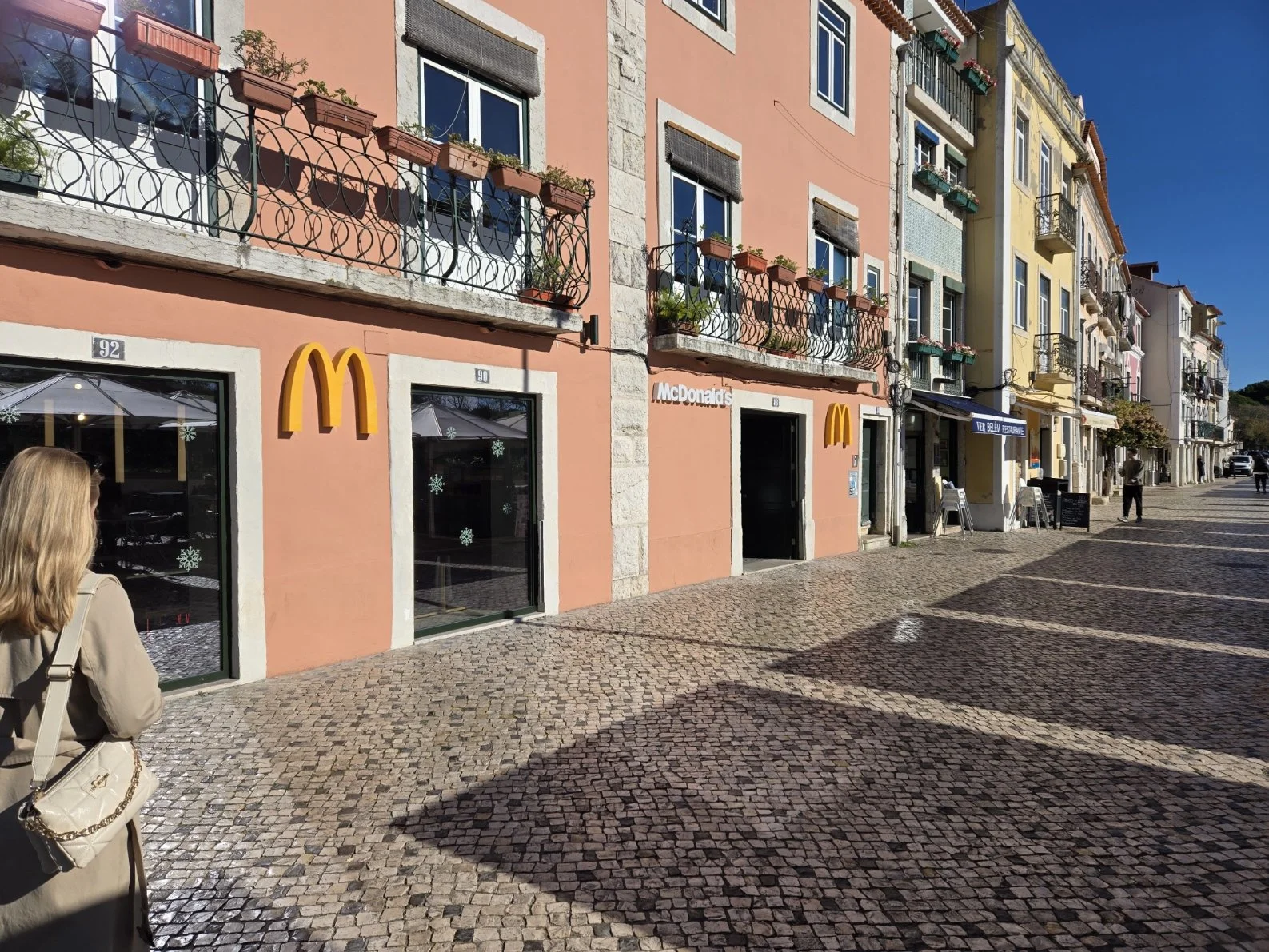
Not far from Belem Pastry is this touch of home.

Jeronimo Monastery
I did not go in.
______________________________________
Kat’s Gen Z Corner

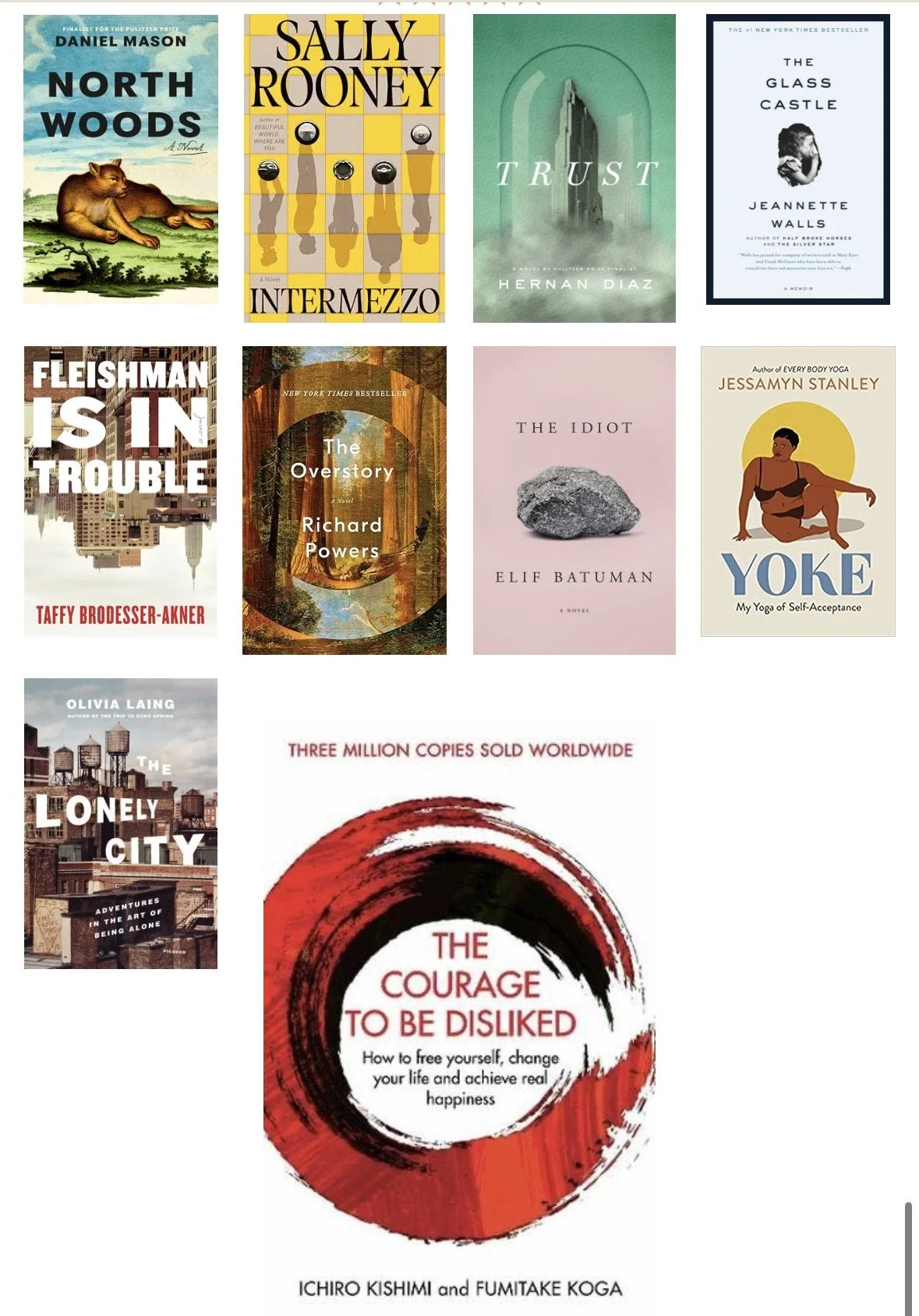
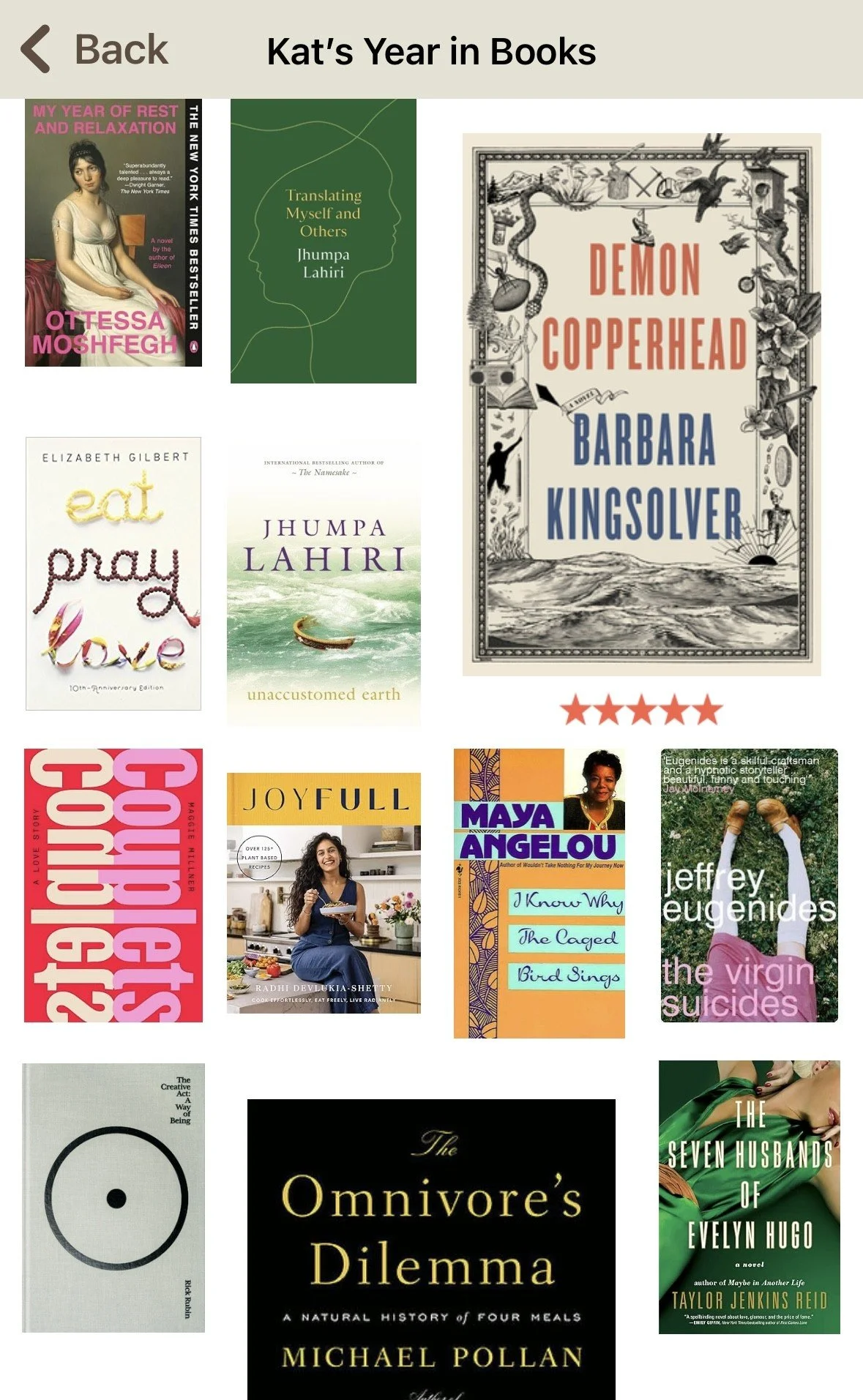
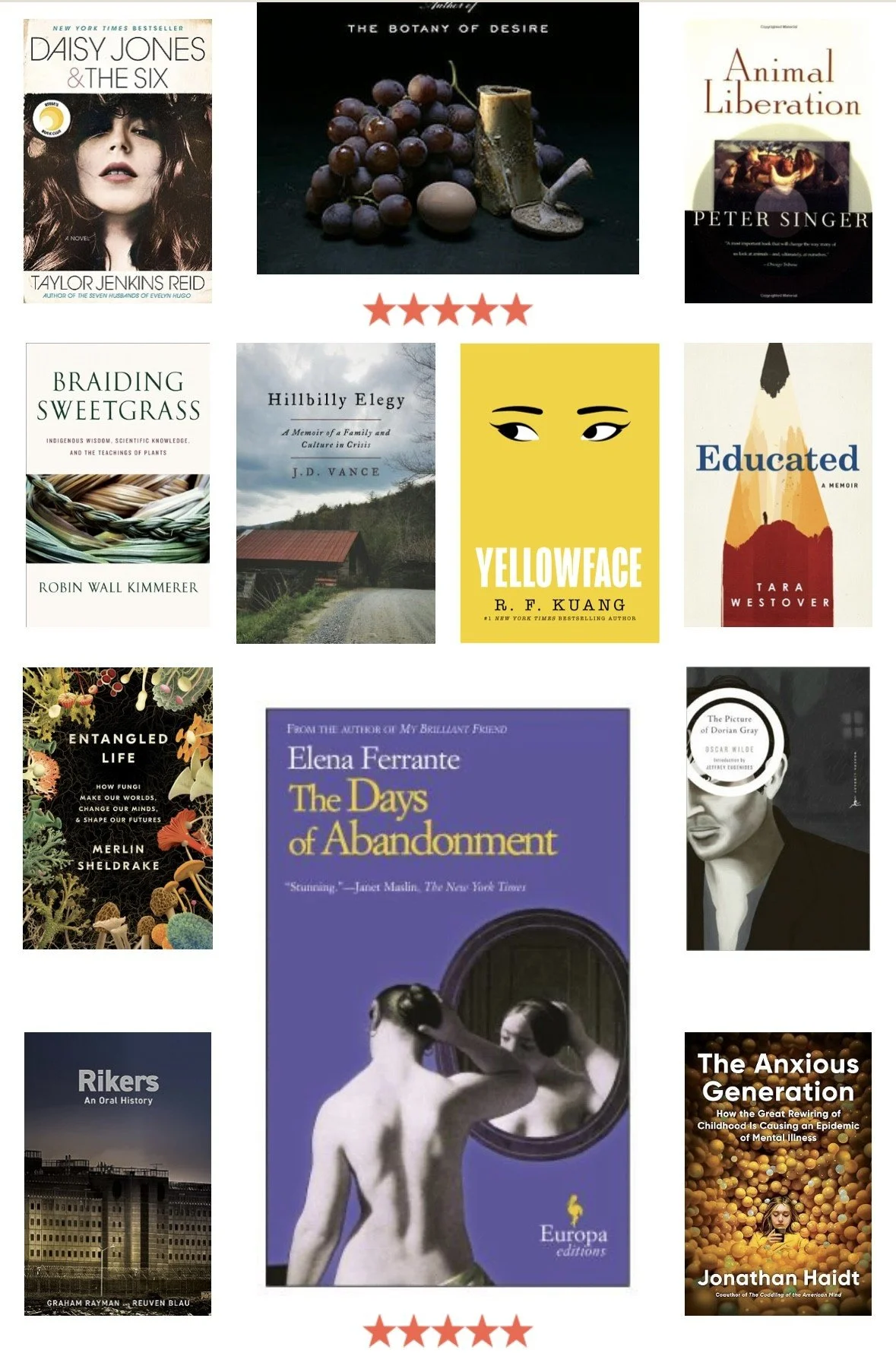
Kat’s 2024 in Books
My favorites:
- Demon Copperhead
- The Overstory (first 2/3s)
- Days of Abandonment
- Braiding Sweetgrass
- The Glass Castle
______________________________________
Tucker’s Corner

The Brutalist
One of the many things that makes Brady Corbet’s The Brutalist so essential is how it defies easy categorization. It is about so many things without specifically hammering, highlighting, or bullet-pointing them. Sure, it’s impossible to miss the commentary on capitalism embedded in the script by Corbet and Mona Fastvold. Still, it’s also a story of immigration, addiction, Zionism, architecture, inequity, class, violence, and even filmmaking. The word ambitious is overused in modern criticism, but the very existence of The Brutalist feels like a miracle: An original story shot on VistaVision cameras, released in 70mm, complete with overture and intermission. It’s a film that turns inward into itself, winding its themes around its characters like a great American novel.
Adrien Brody does the best work of his career as Laszlo Toth, who is introduced in an essential, tone-setting sequence. At first, it’s hard to tell where he is, surrounded by people in an overcrowded space with the cacophony of conversations around him and the booming score from Daniel Blumberg starting to make itself known. As he moves through the crowd, he pushes himself through doors and into sunlight, his face bursting with happiness at the site of the Statue of Liberty, but Corbet and cinematographer Lol Crawley warp the moment by presenting the iconic structure upside down, at the top of the frame. The statue shifts to the side, but it’s never upright, a warped symbol of the American dream, an overture of the film’s main theme to follow in the form of an unforgettable image. This prologue also includes a quote from Goethe that feels like the most pronounced Corbet & Fastvold get in how to read what follows:
“None are more hopelessly enslaved than those who falsely believe themselves free.”

Toth believes himself free, getting a job at his cousin Attila’s (Alessandro Nivola) furniture shop, notably named Miller & Sons despite there being no Miller and no sons. Like that floating statue, Corbet & Fastvold are seeding themes that will grow later, playing with the artifice of capitalism, a structure that sells the comfort of a family business over actual artistry. When Toth designs a chair to be put in the front window, Attila’s wife Audrey (Emma Laird) tells him it looks like a tricycle. This is a film that experiments with form while also being about how people exploit artistry and value function over expression. It will eventually become a story of a hollow monument, a building with a benefactor who wants to make something for everyone but has no creative passion of his own to put in this empty structure.
Laszlo’s life changes when Harry Lee Van Buren (Joe Alwyn) comes to Miller & Sons to hire them to remodel his father Harrison’s library while he’s away from home. The project falls apart when Harrison (Guy Pearce) returns home in a fury, angry that his house is being torn apart by people he’s never met, and refusing to pay. The drama leads to an emotional decision by Attila, who kicks Laszlo out of his home, sending him into an addiction spiral with his friend Gordon (Isaach de Bankolé), until Harrison returns with an apology. He brings Laszlo into his world of upper-class snobs, people who display their wealth like it has any meaning, even to a Holocaust survivor, who they see as another object to own.
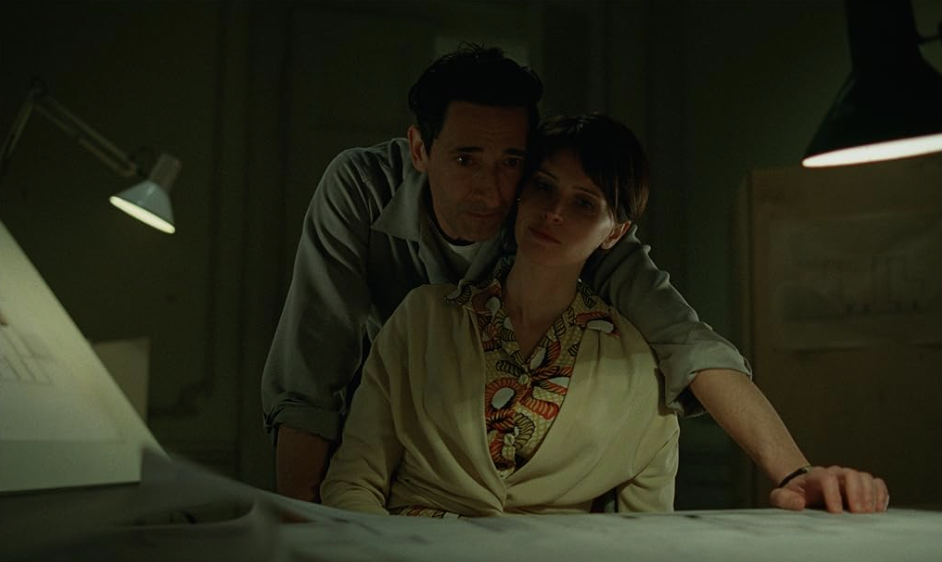
Harrison offers to help Laszlo bring his wife Erzebet (Felicity Jones) and their niece Zsofia (Raffey Cassidy) over from Europe, but it’s a prelude to what he really wants: The design of a community center that will serve as a tribute to Harrison’s recently deceased mother. It’s a place to gather, but also a place that he controls, and one that he claims will look forward but is anchored in the past by being a monument to his mother. There’s a key scene in the film just before Harrison makes this public proposal in which he asks Laszlo why he’s an architect, and the survivor speaks about how his structures have reportedly survived the war and how they will speak for generations after the conflict. “My buildings were designed to endure such erosion,” he says. Kind of like film. It’s not hard to read The Brutalist, a work with technical ambition like no other this year, as a commentary on its own existence, a monument to the art of filmmaking as much as anything.
Harrison seeks to control Laszlo from the very beginning. He will eventually cross all lines of physical and moral righteousness, a clear parallel to how capitalism destroys art, taking from it what it wants and needs before disposing of it. The turn that the film takes with Harrison and Laszlo is sharp, but Corbet makes sure that kind of brutal ownership is there from the very beginning.
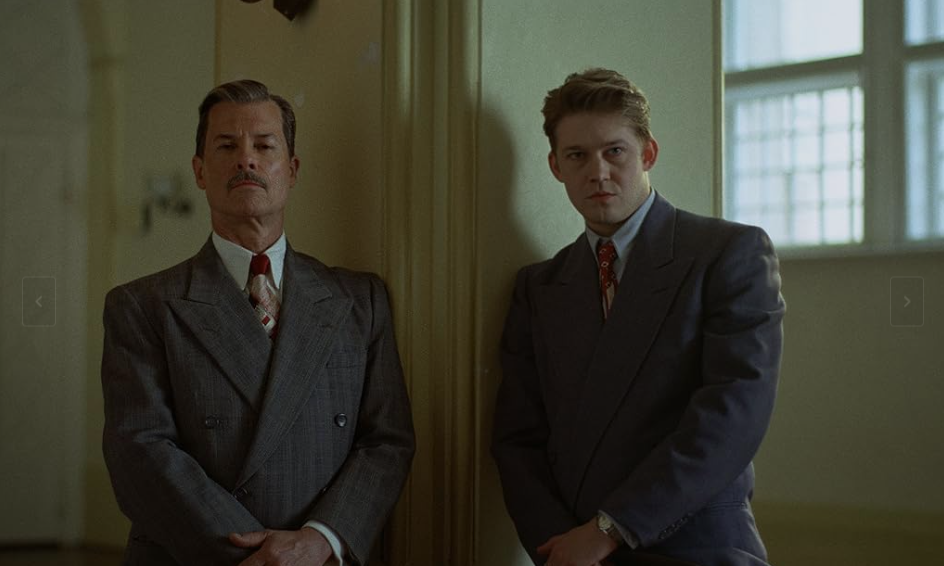
Of course, an American epic like The Brutalist only works if the cast is on the same page as the creator, and the performers here deliver. Brody’s performance is one of broad expressiveness, the overflowing emotion of seeing the Statue of Liberty or the tears that roll down his face on hugging his cousin, and then watching that joy leave his countenance as the world around him erodes it away. It’s a strong contender for the best performance of the year. Pearce balances him perfectly, playing Harrison as a force of selfish nature, giving the film a much-needed jolt from his very first moment on-screen, and perfectly capturing the kind of wealthy monster who discards anyone around him once he’s used them up.
The Brutalist is also a technical marvel, most notably in Crawley’s fluid cinematography, crafting compositions that look gorgeous in 70mm without ever feeling overly showy. His work is organic and beautiful, and it’s anchored by excellent editing from Dávid Jancsó and an effective score by Blumberg. The sound design as a whole is a load-bearing beam in this film’s construction, from the hum of that first scene to the many sequences of men at work, the background noise of the “American Dream” after World War II.
Some will look at the 215-minute runtime of The Brutalist and bring out that dreaded word when it comes to serious, long movies: pretentious. Of course, it’s pretentious. You couldn’t make this movie effectively without pretension. But one person’s pretentious is another’s ambitious, and I wish we had more movies this pretentious, this unapologetic, this willing to do more with film than so many even consider.
The Brutalist is a work that incorporates well-known world history into two of the definitive forms of expression of the 20th century in architecture and filmmaking, becoming a commentary on both capitalism and art. Both are essential to the story of the human experience. Both can be beautiful. Both can be brutal.
______________________________________
Chuckles and Thoughts

______________________________________
Six Word Story
Silent night, stars whispering secrets.
The author is painting a serene and magical scene. The phrase "Silent night" evokes a sense of peace and tranquility, suggesting a moment of quiet reflection or stillness. "Stars whispering secrets" adds a touch of enchantment, implying that the night sky holds mysteries and untold stories, gently communicated by the stars.
Together, this imagery conveys a deep sense of wonder and contemplation, inviting the reader to imagine the beauty and mystery of a calm, starlit night. It's a reminder of the quiet, profound moments where we can feel connected to the vast universe
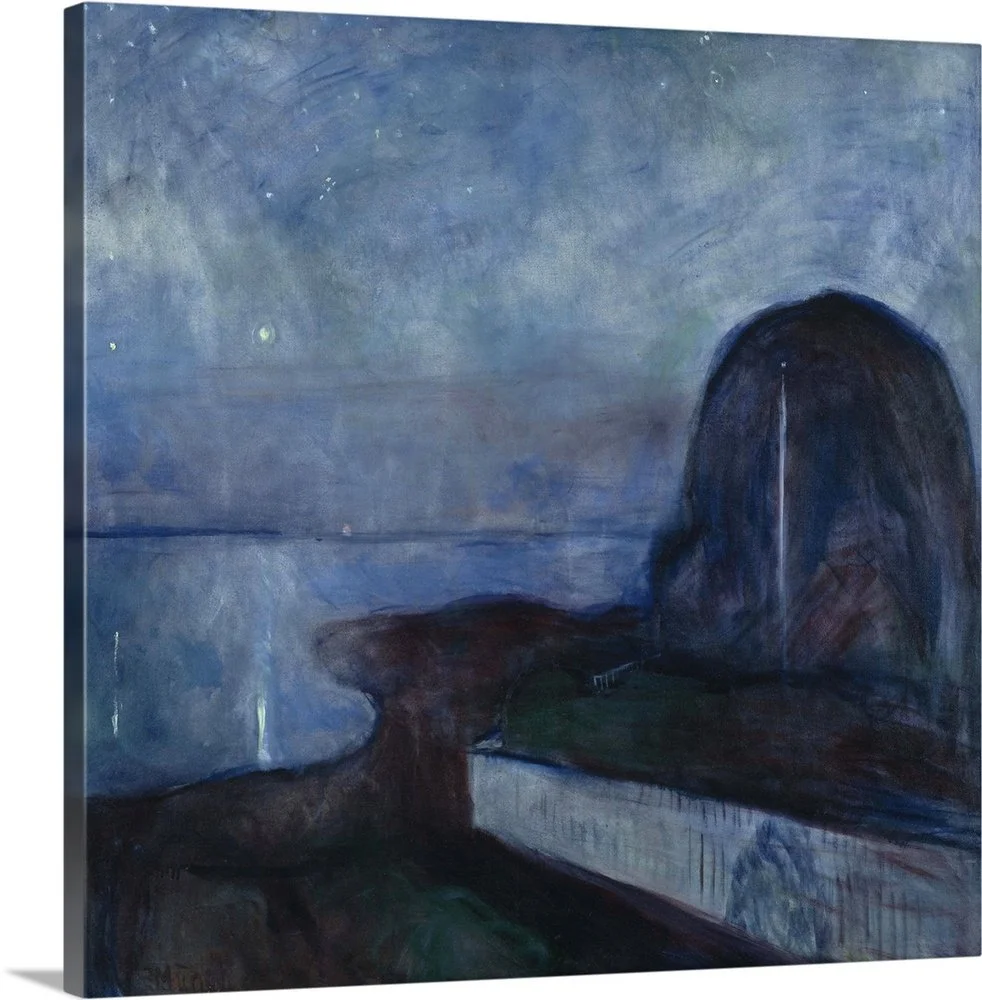
Starry Night, by Edvard Munch, 1893, Norwegian painting - Item # 2442329
Edvard Munch's "Starry Night" is a remarkable and evocative painting that captures the deep, melancholic beauty of the night. Unlike Vincent van Gogh's more famous "Starry Night," Munch's version is characterized by its darker, more somber palette and mood.
Composition
Munch's composition is dominated by dark blues and purples, creating a sense of depth and stillness. The swirling patterns in the sky convey a sense of movement and turbulence, mirroring the emotional intensity often found in Munch's work. The foreground features silhouetted trees and a serene waterfront, providing a stark contrast to the dynamic sky.
Color and Technique
Munch employs bold, expressive brushstrokes to create the swirling sky, adding a layer of emotional intensity and texture to the scene. The choice of dark, cool colors enhances the night-time setting and evokes a contemplative, almost eerie atmosphere. Munch's technique emphasizes emotional expression over realistic detail, which is a hallmark of his style.
Emotional Impact
"Starry Night" by Munch can be seen as a reflection of the artist's inner turmoil and existential reflections. The painting's mood is one of introspection and solitude, inviting viewers to ponder their own feelings of loneliness and wonder. Munch's ability to convey deep emotion through his use of color and composition makes this work a powerful example of his exploration of the human psyche.
Artistic Significance
Munch's "Starry Night" stands out for its emotional depth and expressionist style. It is a poignant representation of his unique approach to capturing the human experience, blending natural beauty with a sense of existential angst. This painting adds to the rich tapestry of Munch's oeuvre, showcasing his talent for transforming ordinary scenes into profound emotional statements.
Overall, Edvard Munch's "Starry Night" is a masterful exploration of mood and emotion, capturing the complexity of the night sky and its ability to evoke deep, introspective feelings. It's a hauntingly beautiful work that resonates with viewers on a visceral level.
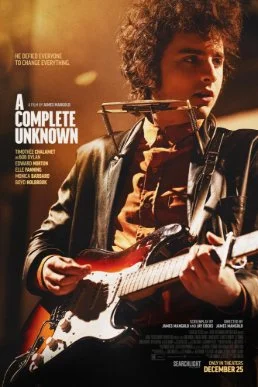
Bob Dylan (portrayed by Timothée Chalamet) performs with an electric guitar equipped with a harmonica holder.
Searchlight Pictures - http://www.impawards.com/2024/complete_unknown_xxlg.html
_________________________
Complete Unknown
To paraphrase Senator Lloyd Bentsen during the 1988 United States vice-presidential debate, “I saw Scorsese’s version of the Bob Dylan story, No Direction Home, and I promise you, the Complete Unknown is no No Direction Home.”
Having said that, there’s really nothing more to say. If you are a Dylan fan and simply love his music, you will enjoy this event. If you are looking for a biopic, you will get a poor one. If you are looking for a story, take in something else.
Nuff said.
____________________________________
In the Mail
This from Nick Dello Russo, is a lifelong North Ender and columnist. Often using vintage photographs, Nick tells the stories of growing up in the North End along with its culture and traditions. It was a time when the apartments were so small that residents were always on the streets enjoying “Life on the Corner.”
Ed Note: I do want to stress the scholarship of Nick’s work and the depth of his knowledge. Rare.
Nick - Hello Dom,
I have a movie recommendation for you.
Yesterday I watched a terrific Italian movie called, The Children's Train. It's about a nine year old street boy, a gualione, who lives with his single mother in the post World War II Neapolitan slums. His evocative name is Amerigo Speranza and, as his name implies, he has high hopes of escaping the grinding poverty of his youth. The communist party pays for him and other slum children to travel north to Modena for a brief interlude which introduces them to all the wonders the north has to offer; abundant food, although they are suspicious of the strange "pink salami" called mortadella, warm homes, intact families and an impenetrable dialect.
The boy Amerigo reminded me of you when you were a child, Dom. He was smart, resilient, focused, determined and not afraid to go against the current.
It's a wonderful movie. There were tears in my eyes watching Amerigo, senza scarpa, leave the slums of Naples and his beloved mother to pursue his dreams in the north.
Happy New Year,
Dom - Hi Nick,
Happy New Year!
And thank you for thinking of me.
What an amazing coincidence.
I, too, loved that movie.
While we have one of the great movie reviewers on our staff,
after watching the movie I felt compelled to express my enthusiasm.
Please open up my ezine @
Existentialautotrip and open this week's entry dated 01/05/2025.
Scroll down a bit and you will see something familiar.
As I said, an amazing coincidence.
I don't have to ask if you've seen the series,
but am curious how Elena Ferrante's My Brilliant Friend struck an accomplished historian-North Ender like yourself.
Thank you.
Senza scarpa.
Are you remembering that comical song, Sheik of Napoli?
Can I publish this?
Nick - Yes, the Louie Prima version.
Sure, use it as you wish.
Italians really know how to make movies. No fancy special effects, no helicopter crashes, just human beings struggling to survive.
I can’t watch the Ferrante series. It’s on a streaming service I don’t subscribe to.
My daughters loved the books but I had a hard time getting into them.
Right now I’m reading The Sicilian Avengers which is about a secret society called the Beati Paoli, a precursor of the Mafia. It gives a glimpse into what life was like in Sicily under the Bourbon and Savoy monarchs. Great if you were a nobleman, miserable for the serfs.
Dom - And we all imagine ourselves as noblemen.
(Editor’s note: For a graphic illustration of human abuse, Korean period dramas do it best. I am currently watching The Story of the Pearl Girl, and the depiction of the inhumanities prevalent in Korean society past is unbelievable, except that there are hundreds of examples of it.)
Nick - Well, I never did, knowing my father’s family, but I’m always amazed at how many Italian/Americans try to find some connection, however obscure, to a Nobel family.
I remember the Spagnuolo family had a medallion with their family coat of arms mounted over the pharmacy counter in their drugstore. I was impressed.
A scientist once proved with mathematical certainty that all Europeans alive today are descended from Charlemagne. Six degrees of separation .
Dom - I worked at Burden's (the Spagnuolo family’s pharmacy+) for a stretch.
Made tamarindo.
The pods got delivered in tubs which we dumped into a quarter-barrel.
We filled the barrel w water.
After they soaked for a while, we stepped into the tub and squished the pulp out of them.
We should have made wine.
But those Italian guys loved tamarindo drinks.
Strange, the derivation. Found mostly is Asian and Latin American cuisine.
The birth of fusion, perhaps.
Was good friends with Louis Spag.
A good kid.
Nick - He was a good guy. We called him Champ. I think he went to Palm Beach and I heard he opened an espresso bar. Maybe The Donald is a customer?
Tamarind fruit is grown in Africa, Sudan, Ethiopia and Egypt. It probably came to Italy from the Arab traders. I like it a lot and I buy the whole fruit pods whenever I see them.
Dom - How do you use Tamarind?
Nick - My wife is a good cook and uses tamarind in some Iranian recipes. She said it's hard to find recipes that use it. It also makes a nice chutney. They sometimes have it at Whole Foods in the berry cooler on the right as you walk in.
Dom - Is she familiar w these Iranian recipes suggested by Ai?
Khoresh Bamieh Khuzestani: A Southern Iranian okra stew with tamarind, tomatoes, and spices. It's a hearty and flavorful dish that even okra skeptics might enjoy
.Ghalieh Mahi: Persian tamarind fish, combining the tangy taste of tamarind with saffron, fresh herbs, walnuts, and dates. This dish offers a unique and delicious culinary experience.
Tahdig with Tamarind: A luxurious whole fish preparation flavored with tangy tamarind and fragrant spices. It's a delightful way to enjoy fish with a Persian twist.
Morgh Polo with Tamarind: Chicken and rice with saffron and tamarind, creating a savory and slightly sweet combination.
5. Naz Khatoon with Tamarind: Persian eggplant and herb salad with walnuts and tamarind-infused dressing. This refreshing salad is perfect for a light meal or side dish.
Italos are true democrats. We believe in the power of the people to govern themselves through democratic processes. As such, we are not cowed by ‘aristocrats’, and we dabble in anarchy.
Nick - People don’t realize how miserable life under a monarchy was for peasants. There was no rule of law except the whims of the king. There was little private property, the king owned everything and doled it out to his friends, family and supporters. Kings loved engaging in wars. They taxed the poor to pay for those wars and impressed the sons of peasants to fight and die for a country that didn’t value them.
The proto Mafia secret society called the Beati Paoli fought the nobility to protect the poor. It’s pathetic how many Italian Americans pretend they are somehow related to noble ancestors.
Tanti auguri, Dom.
Dom - This reminds me of that great poem by Edward Arlington Robinson, Miniver Cheevy:
Miniver Cheevy, child of scorn,
Grew lean while he assailed the seasons;
He wept that he was ever born,
And he had reasons.
Miniver loved the days of old
When swords were bright and steeds were prancing;
The vision of a warrior bold
Would set him dancing.
Miniver sighed for what was not,
And dreamed, and rested from his labors;
He dreamed of Thebes and Camelot,
And Priam's neighbors.
Miniver mourned the ripe renown
That made so many a name so fragrant;
He mourned Romance, now on the town,
And Art, a vagrant.
Miniver loved the Medici,
Albeit he had never seen one;
He would have sinned incessantly
Could he have been one.
Miniver cursed the commonplace
And eyed a khaki suit with loathing;
He missed the mediæval grace
Of iron clothing.
Miniver scorned the gold he sought,
But sore annoyed was he without it;
Miniver thought, and thought, and thought,
And thought about it.
Miniver Cheevy, born too late,
Scratched his head and kept on thinking;
Miniver coughed, and called it fate,
And kept on drinking.
Below is a photo and text re: tamarindo, thanks to wiki.

Tamarindo, also commonly known as agua de tamarindo, is a non-alcoholic beverage made of tamarind, sugar, and water. The tamarind plant originated in Africa but has since been widely distributed on a global scale and is commonly found in tropical regions. The tamarind plant produces fruit pods containing pulp and seeds. Tamarind is a versatile ingredient that is used for a variety of commercial, culinary and medicinal purposes with the pulp being the most commonly used part of the tamarind plant, used in a range of beverages including tamarindo and other similar beverages such as Nam Ma Kham Wan in Thailand and Poha Beer in Ghana. Tamarind pulp offers a flavor that ranges from sour to sweet, making tamarindo a sour-sweet beverage (dependent on the amount of sugar added, as well as on the tamarind cultivar used) recognised as a popular flavour of aguas frescas, which is traditionally consumed in Latin America. Comprising only three ingredients, tamarindo involves a simple production process making it an easy beverage to prepare at home. Tamarindo has been produced commercially as a soda flavour, by companies such as Jarritos and Nestle, and distributed globally.
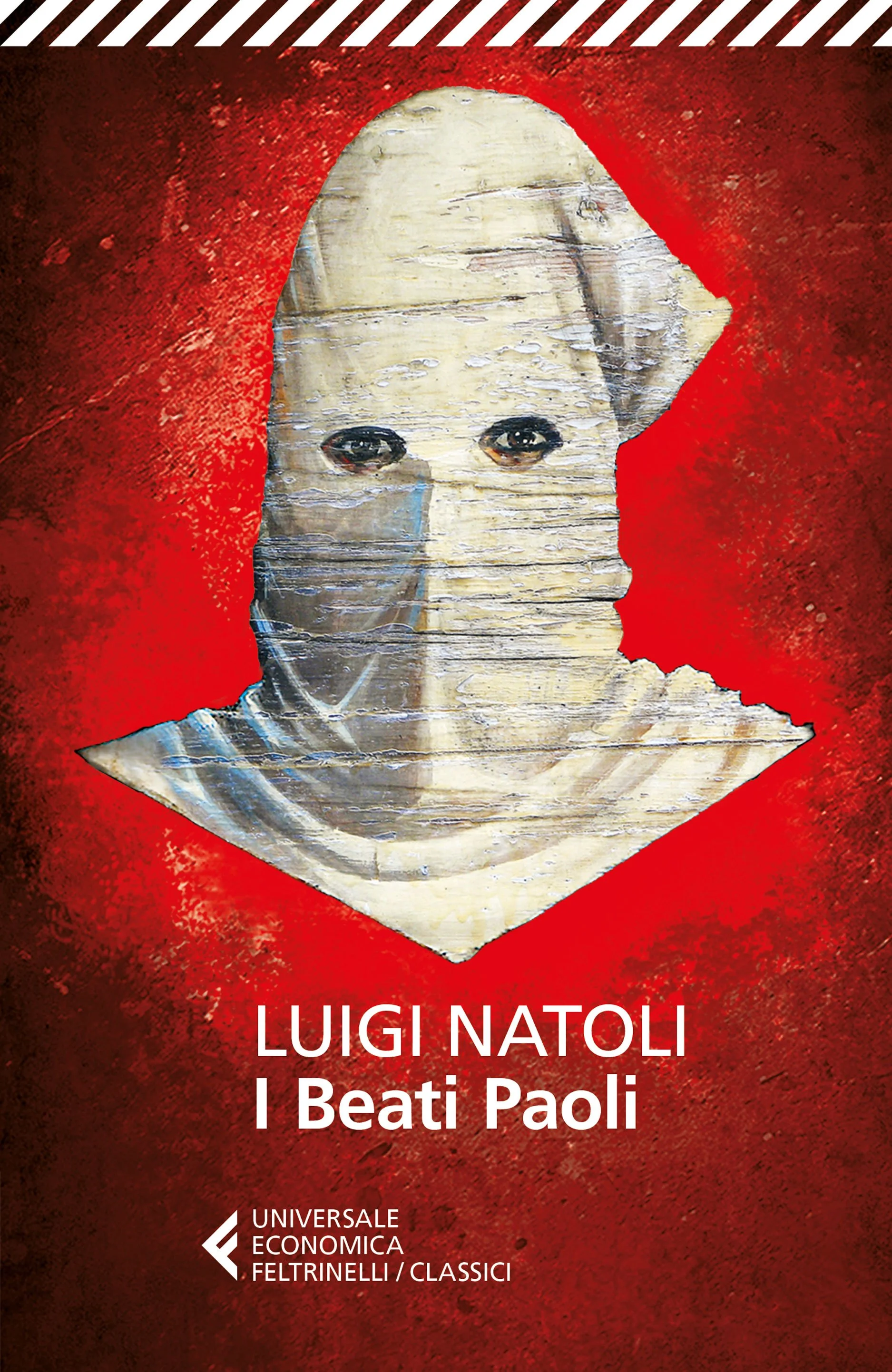
AI says:
The Beati Paoli is a mysterious and possibly fictional secret society from medieval Sicily. According to legend, they were a group of vigilantes who operated in the shadows to protect the common people from the injustices of the nobility and the church. They wore black hooded coats and were said to meet in secret underground chambers in Palermo.
The Beati Paoli were popularized by the historical novel "I Beati Paoli" written by Luigi Natoli under the pseudonym William Galt. While the existence of the Beati Paoli is debated, their legend has left a lasting impact on Sicilian culture and history.
__________________________________
Last Comment
This morning I sent this message to my health care providers. A nurse called me and my symptoms were such as to require me to go into the clinic for an evaluation. Tomorrow. I’ll let you know next week.
Here is the message sent to the medical team from Dom, sent 8:22 AM
it started on dec 30 with bouts of lethargy and then several moments of nausea. last night i woke to find my pajamas in a full sweat and myself on the floor unable to balance. the discomfort was intense. i hugged myself for a half hour and finally struggled to my feet and to bed. i slept and woke up feeling much better.
i'm feeling lethargic now but still well enough to get thru the day, if i take several rests.
any thoughts?
!!!!!!!!!!!!!!!!!!!!!!!!!!!!!!!!!!!!!!!!!!!!!!!!!!!!!!!!!!!!!!!!!!!!!!!!!!!!!!!!!!!!!!!!!!!!!!!!!!!!!!!!!!!!!!!!!!!!!!!!!!!!!!!!!!!!!!!!!!!!!!!!!!!!!!!!!!!!!!!!!!!!!!!!!!!!!!!!!!!!!!!!!!!!!!!!!!!!!!!!!!!!!!!!!!!!!!!!!!!!!!!!!!!!!!!!!!!!!!!!!!!!!!!!!!!!!!!!!!!!!!!!!!!!!!!!!!!!!!!!!!!!!!!!!!!!!!!!!!!!!!!!!!!!!!!!!!!!!!!!!!!!!!!!!!!!!!!!!!!!!!!!!!!!!!!!!!!!!!!!!!!!!!!!