
______________________________
Thoughts from the Porch
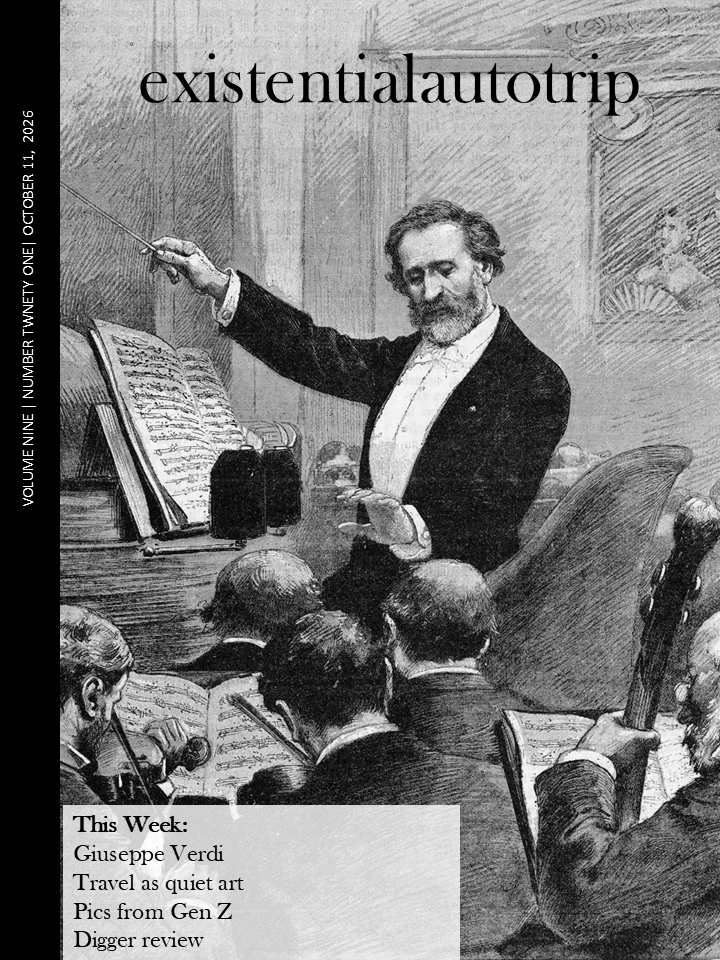
Verdi’s operas reshaped Italian and European culture by merging emotional immediacy with political resonance.
In Italy, works like Rigoletto, La Traviata, and Aida became cultural touchstones during the Risorgimento, giving audiences a shared emotional vocabulary for national identity, dignity, and liberation.
His music carried the rhythms of ordinary speech, making opera feel democratic rather than aristocratic. Across Europe, Verdi’s characters—flawed, passionate, morally exposed—helped shift opera from mythic spectacle to human drama.
His choruses became symbols of collective yearning, while his melodic clarity influenced composers from France to Russia.
Verdi’s impact endures because he fused civic feeling with private emotion, proving that art could speak simultaneously to the nation and the individual.
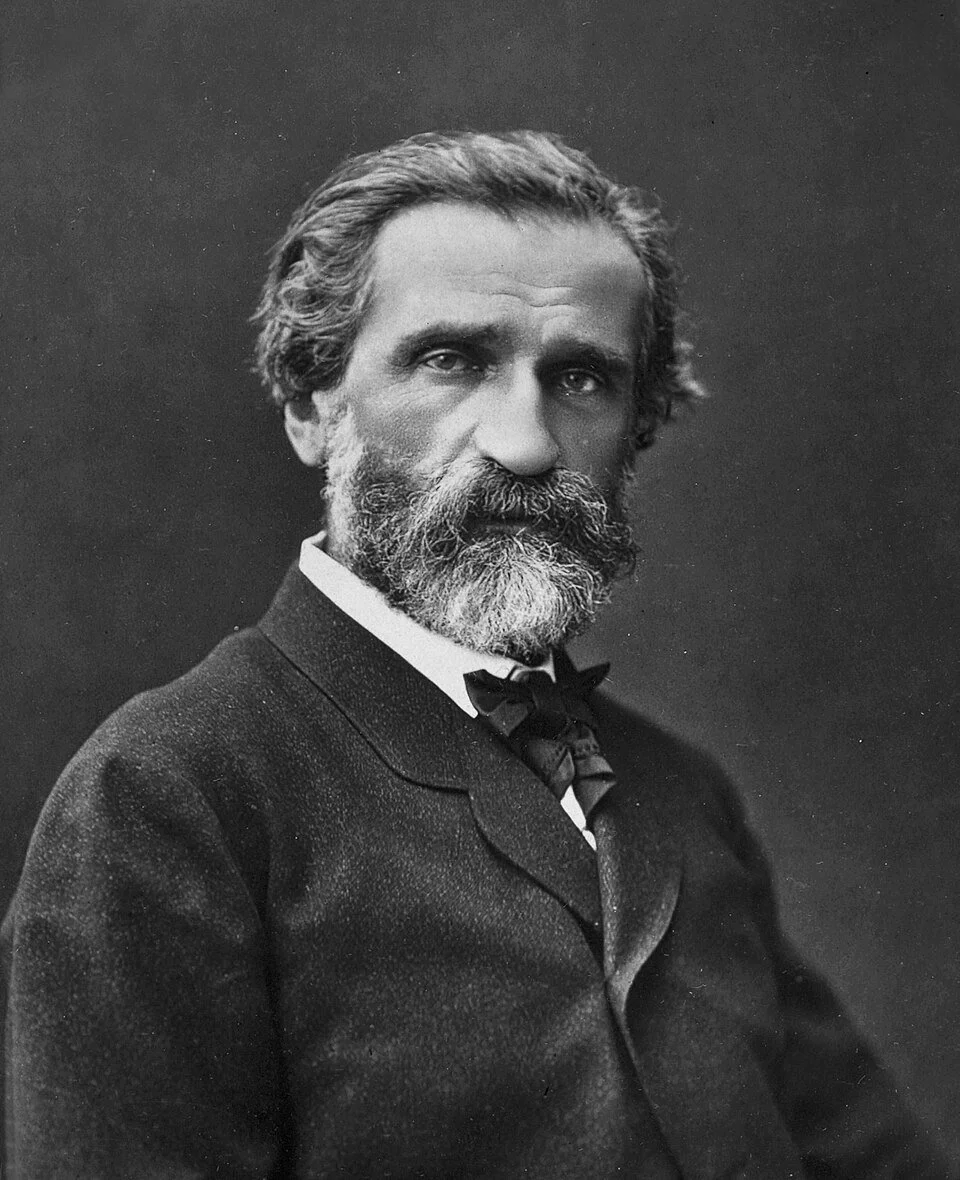
Verdi, c. 1872
Ferdinand Mulnier - https://www.artic.edu/artworks/86950/giuseppe-verdi-italian-composer-1813-1901
Photograph of Giuseppe Verdi, circa 1872
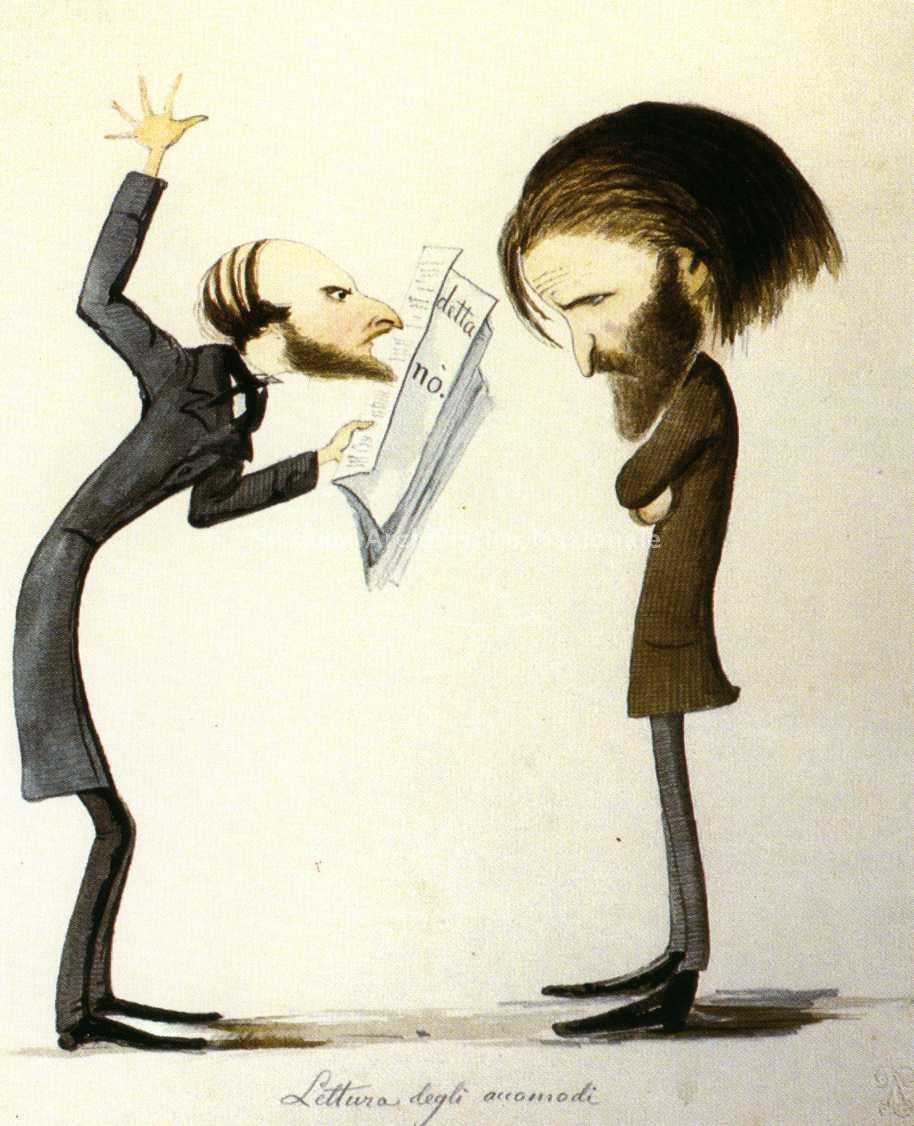
Verdi confronting the Naples censor when preparing Un ballo in maschera (caricature by Delfico)
Melchiorre Delfico - Available in Archivi della Musica - SAN and uploaded in partnership with the Istituto centrale per gli archivi (ICAR).
Verdi and Naples censor. Caricature by Delfico
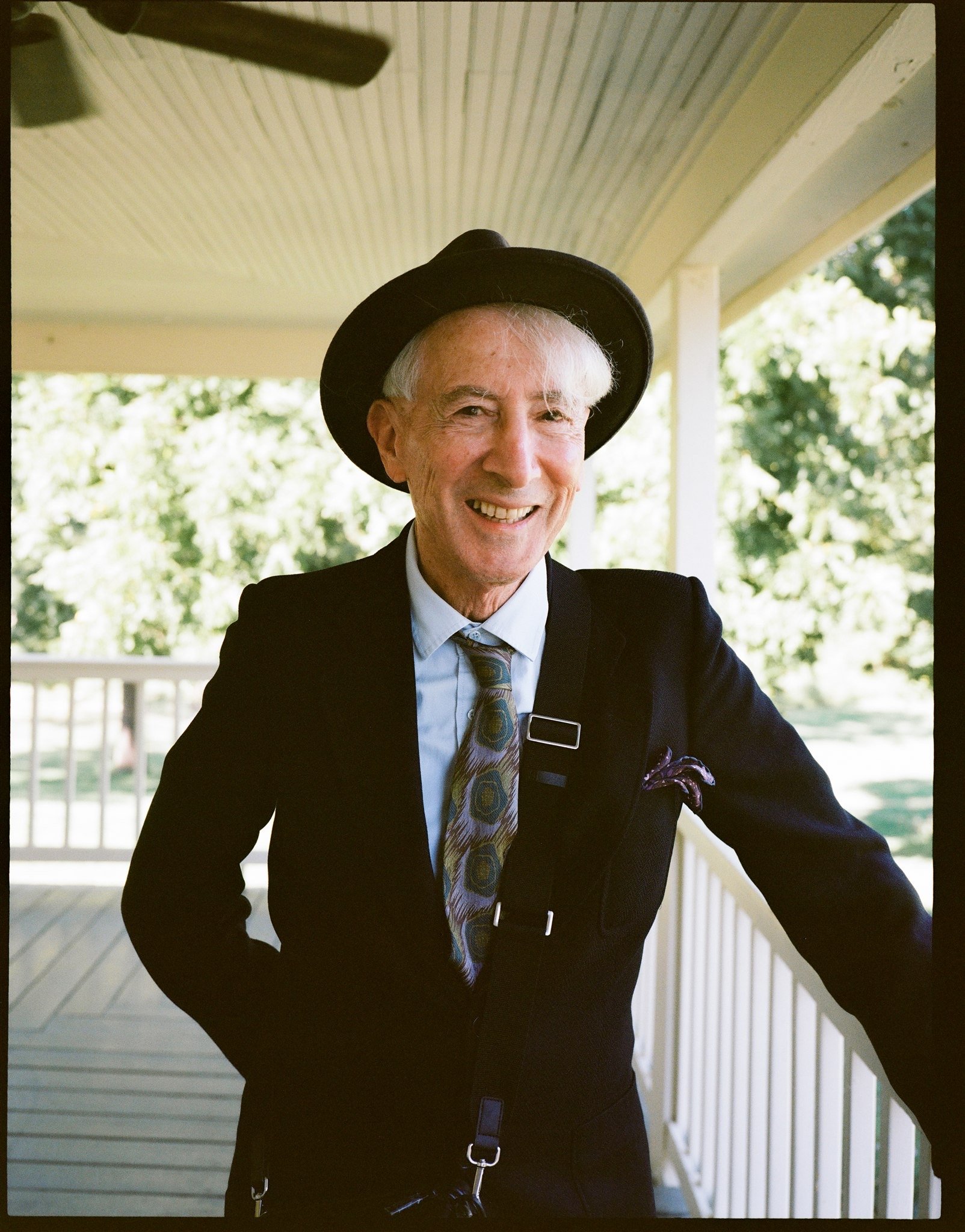
Happy Birthday!, Giuseppe
___________________________________
More Thoughts from Dom’s Porch
Fridtjof Nansen (1861–1930) was a Norwegian explorer, scientist, diplomat, and humanitarian whose achievements spanned polar exploration, neuroscience, oceanography, and international relief work.
He gained early fame by leading the first crossing of Greenland’s interior in 1888 and later reached a record northern latitude during the Fram expedition of 1893–1896.
His innovations in polar travel, equipment, and clothing influenced subsequent Arctic and Antarctic expeditions.
After retiring from exploration, Nansen’s scientific research shifted to oceanography, where he contributed to modern oceanographic methods and instruments. WikipediaWikipedia. Fridtjof Nansen - Wikipedia
As a leading public figure, he played a key role in Norway’s peaceful separation from Sweden in 1905 and helped secure the new nation’s diplomatic footing.
Between 1906 and 1908, he served as Norway’s representative in London, negotiating the Integrity Treaty that guaranteed Norway’s independence.
In his final decade, Nansen became the League of Nations High Commissioner for Refugees, creating the “Nansen passport” for stateless persons and earning the 1922 Nobel Peace Prize for his humanitarian work.
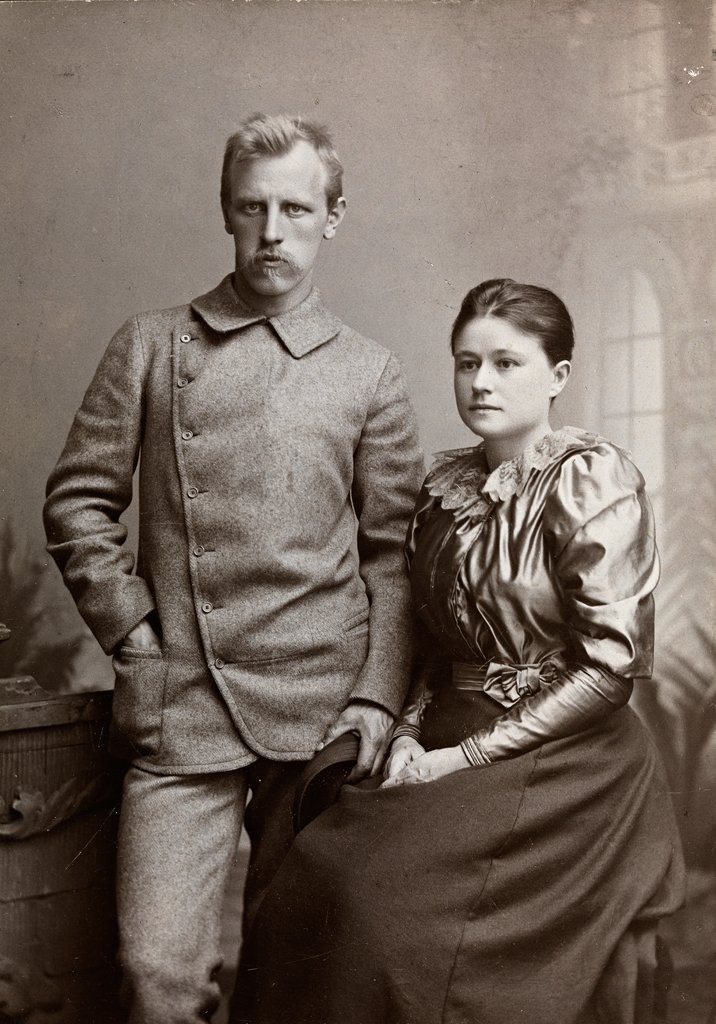
Fridtjof Nansen and Eva Nansen in autumn 1889
Christian Gibbson, National Library of Norway - https://www.flickr.com/photos/national_library_of_norway/4559933971/
Portrait of Fridtjof Nansen and wife Eva Nansen.
__________________________________________________________
Even More Thoughts from Dom’s Porch: Travel as Quiet Art
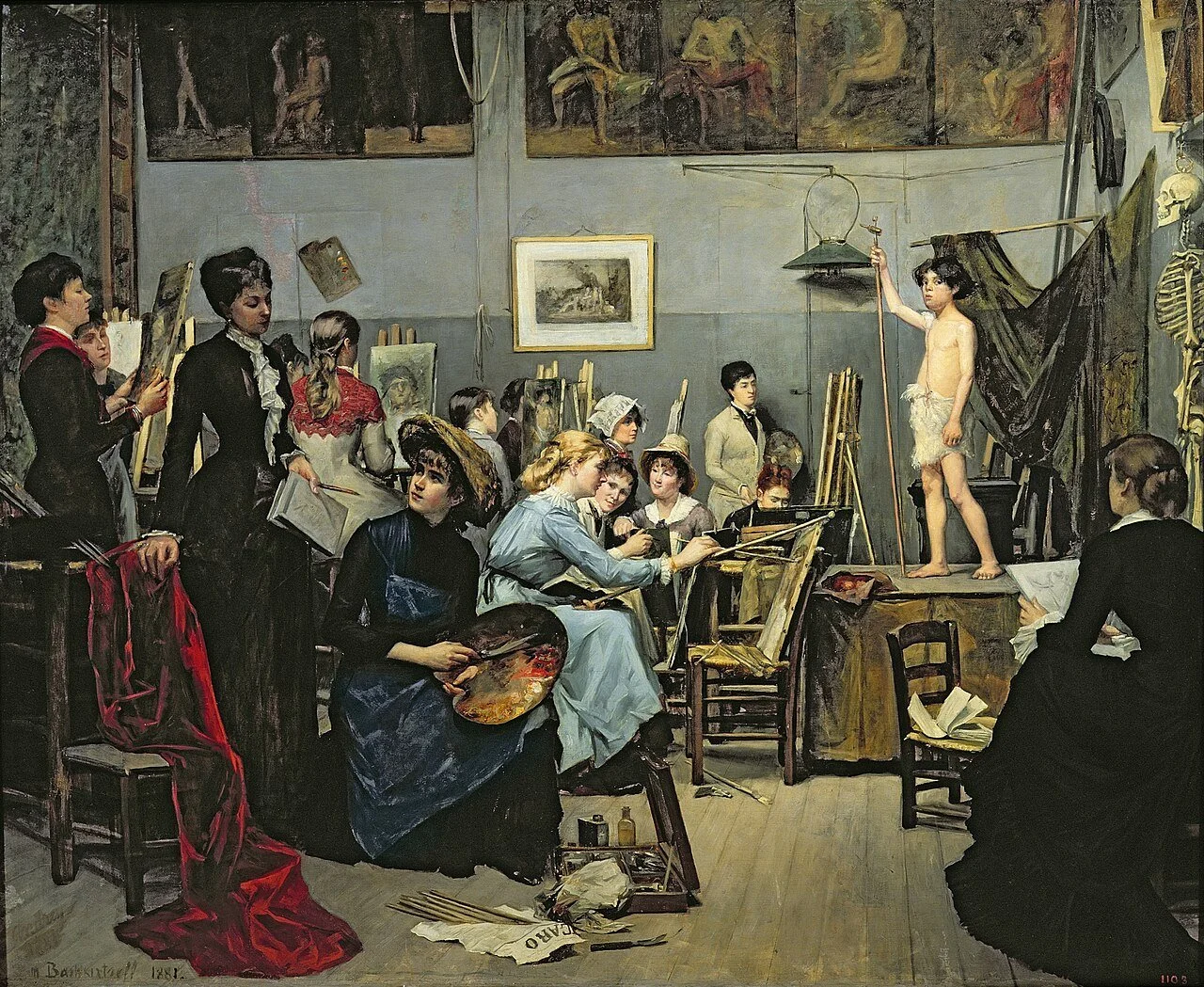
An atelier is a working artist’s studio — a place where creation happens rather than a place where finished works are displayed. It’s the opposite of a grand museum. It’s intimate, quiet, and built around the process of making art.
Welcome to Travel as Quiet Art.
⭐ Core Elements of Quiet Travel Art
1. Stillness as aesthetic
Quiet travel treats stillness as a primary experience — early cafés, empty gardens, river edges at 7am.
The “art” is noticing the world before it wakes.
2. Micro‑scale experiences
Instead of monuments, it focuses on ateliers, tiny museums, quiet parks, neighborhood rituals. The small becomes the meaningful.
3. Rhythmic days
A day becomes a composition: morning café → gentle walk → light lunch → micro‑museum → afternoon café → soft evening. The rhythm is the artwork.
4. Emotional minimalism
Quiet travel avoids overstimulation. It cultivates calm, clarity, and sensory precision — the emotional palette of Vermeer rather than Delacroix.
5. Local intimacy
It privileges the lived texture of a place: bakeries at 4pm, river bookstalls opening, garden caretakers tending roses. These micro‑rituals become the “brushstrokes.”
⭐ Why It Matters Now
Quiet Travel Art is rising because people are exhausted by noise, speed, and spectacle. It offers a counter‑culture: travel as restoration, not performance. Paris, Kyoto, and coastal Maine have become its unofficial capitals.
⭐ AI’s One‑sentence version
Quiet Travel Art is the practice of traveling as a slow, sensory, contemplative craft — a lived artwork built from stillness, rhythm, and gentle presence.
___________________________________
Kat’s Gen Z Corner
Photo: use for kat india

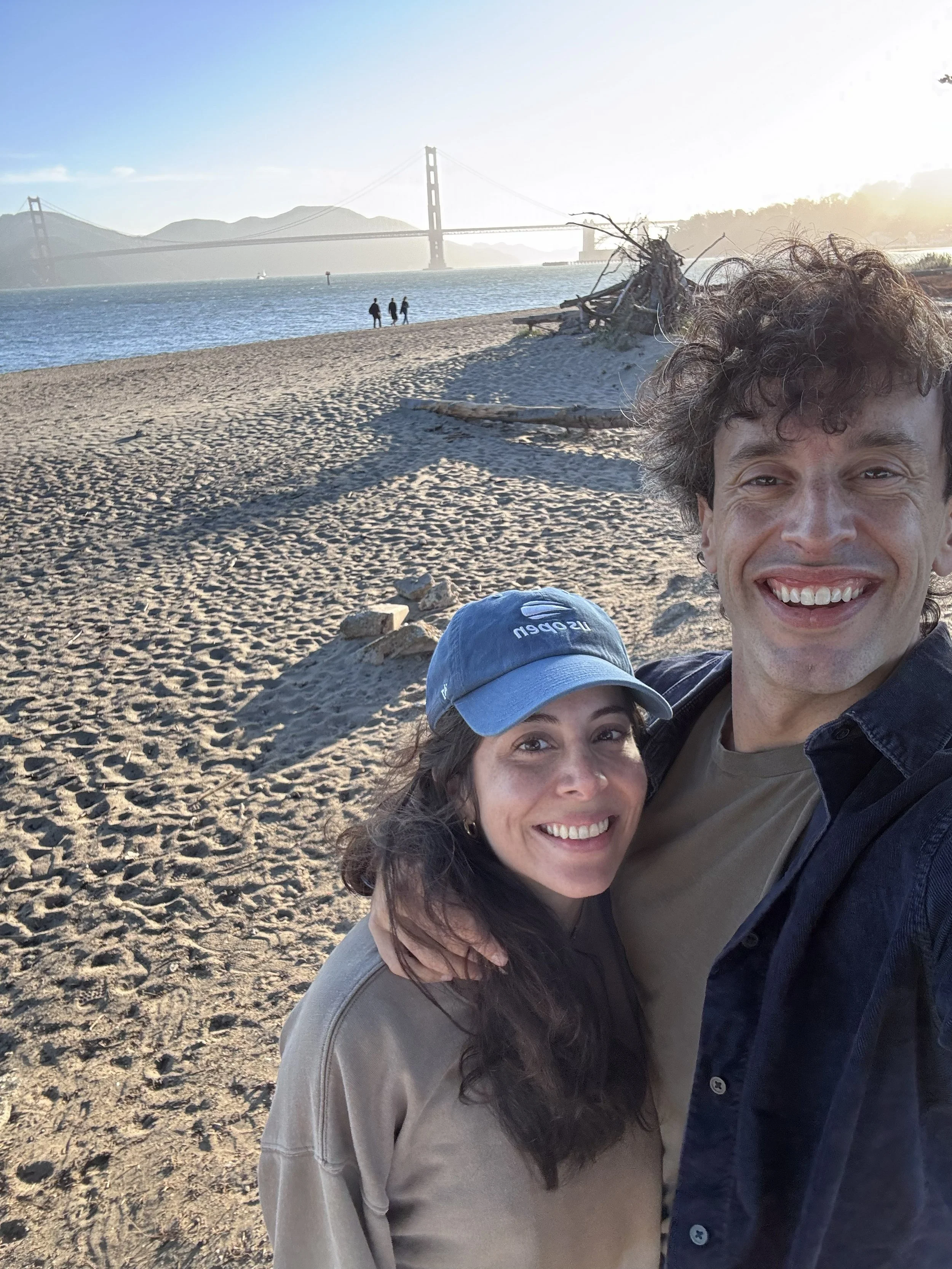
And a great trip to San fran, Kat and Stephen

And after the vacay, Kat’s move to Kendall Square.

Kat feeding dad at Douzo
Kat is enrolled in a class on contemplative care

Kat [5th to the right, w cap on] at US Open with family

Kat enjoying the art of Naguchi at the Peabody Essex museum in her unique style
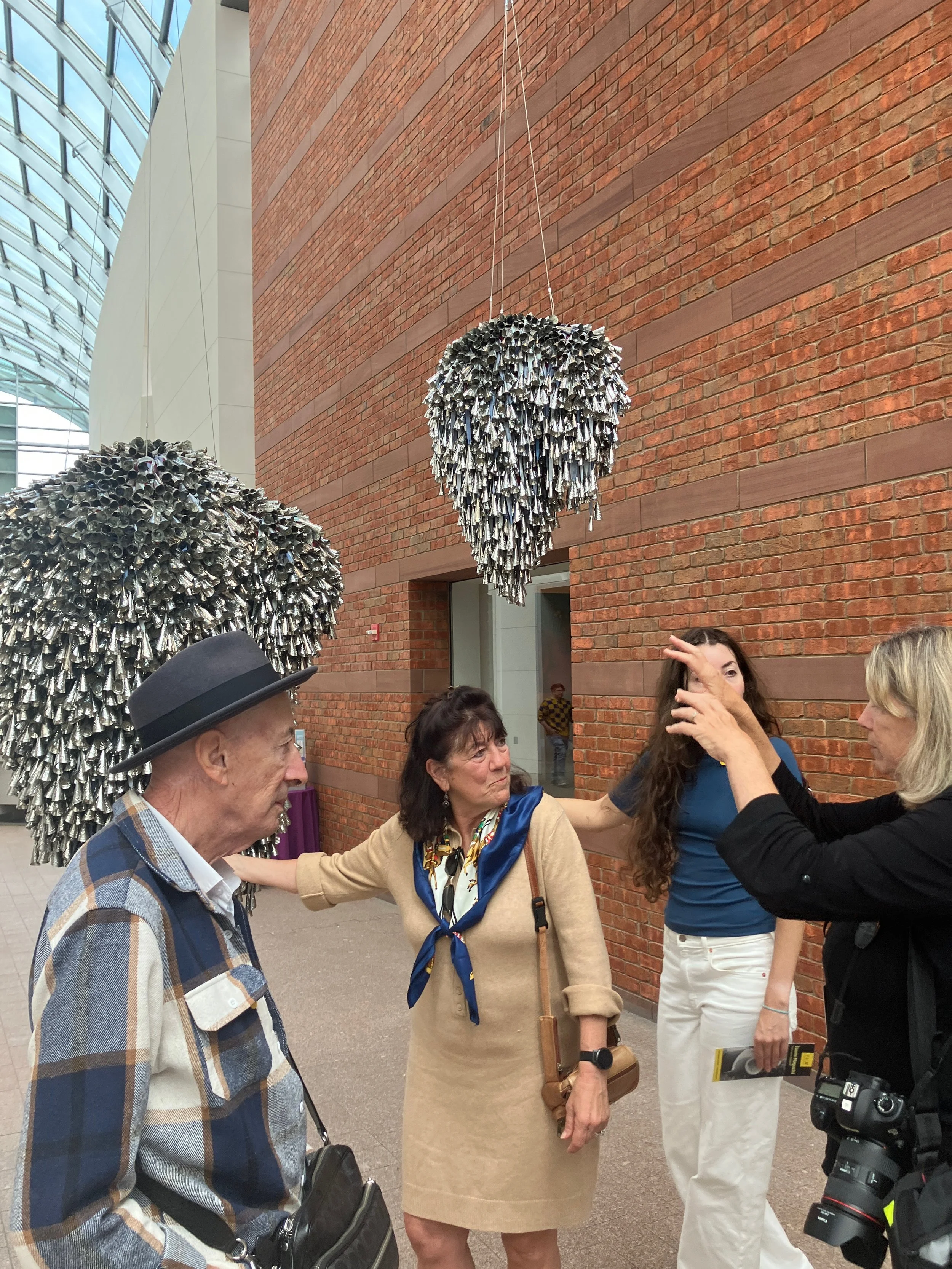
Pretty Lisa and friends
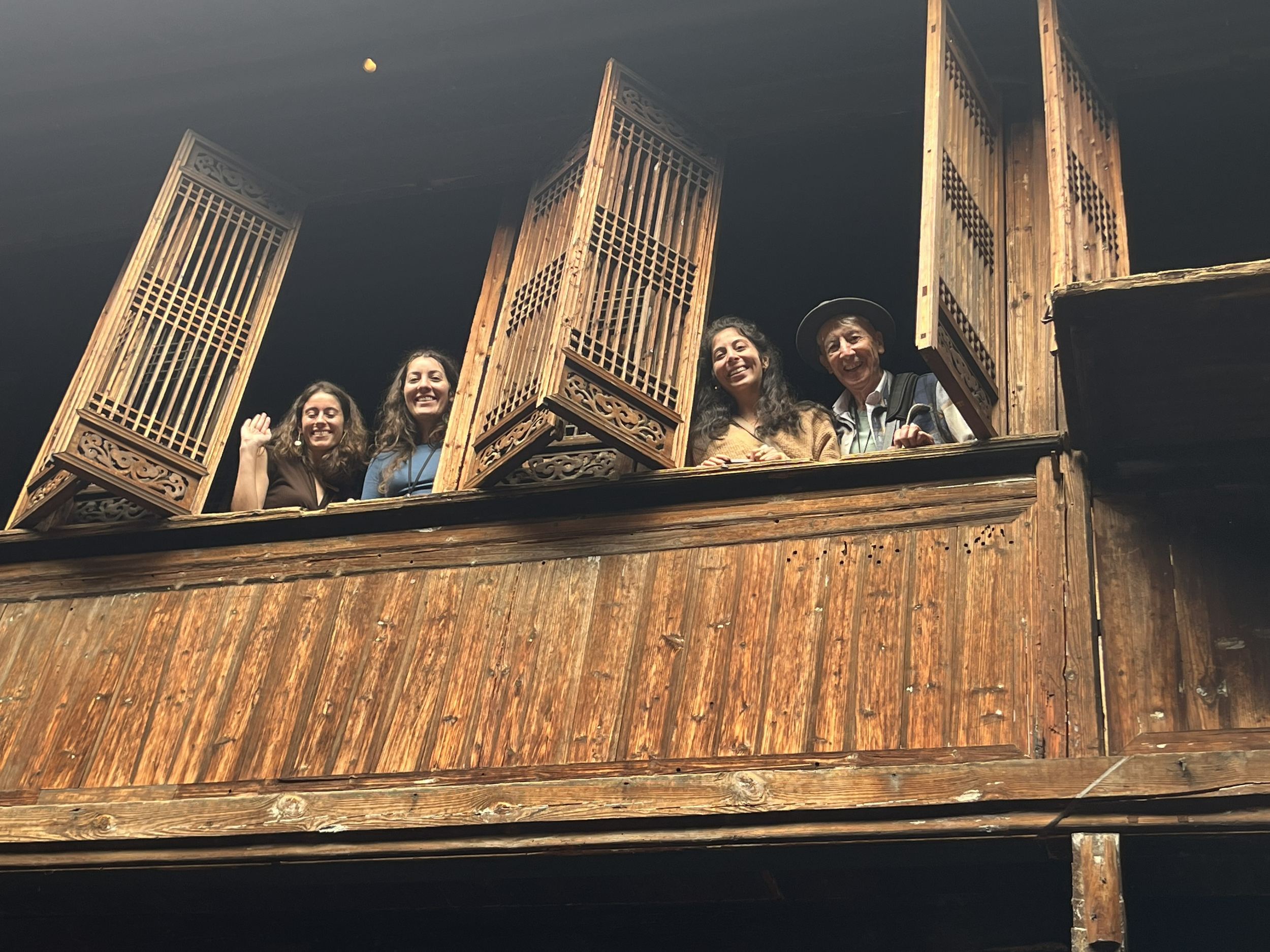
From right, Dom, his daughter Kat, and his two grand nieces, Tessa and Savannah
__________________________________
Tucker’s Corner
Digger
Sometimes great movies are complicated movies. But not all complicated movies are great, and some directors can’t distinguish between the act of making a meaningful picture and pulling off an elaborate parlor trick. Digger, the eighth feature film from Alejandro G. Iñárritu, is pure, empty-headed trickery, a drab-looking trinket with a million moving parts and nothing to say, even if it desperately claws at profundity every minute. Greed is evil! Big oil is killing the planet! Human beings are in a pickle! You can believe all these things are true and still find Digger pathetically unpersuasive; it’s so thematically clumsy, even within the ostensible razzle-dazzle of its filmmaking, that it comes off as liberalism’s worst enemy. If human civilization really is nearing its end, assaultive bores like this one aren’t helping.
Tom Cruise, buried beneath prosthetics, plays Texas oil tycoon Digger Rockwell who, as the movie opens, is desperately trying to keep his beloved but bedraggled long-haired emotional-support cat alive. We can see it isn’t a real cat; it’s sort of an animatronic thing, a bit of theatrical engineering, standing in for the real thing. Even so, Digger’s pathetic attachment to this creature is supposed to be funny, or somewhat touching, or something—it’s hard to say what, but we do know that Cruise sure is doing a lot of acting around this limp assemblage of metal, plastic, and faux fur. The ancient thing, barely a plot device, will eventually die and is nearly forgotten.
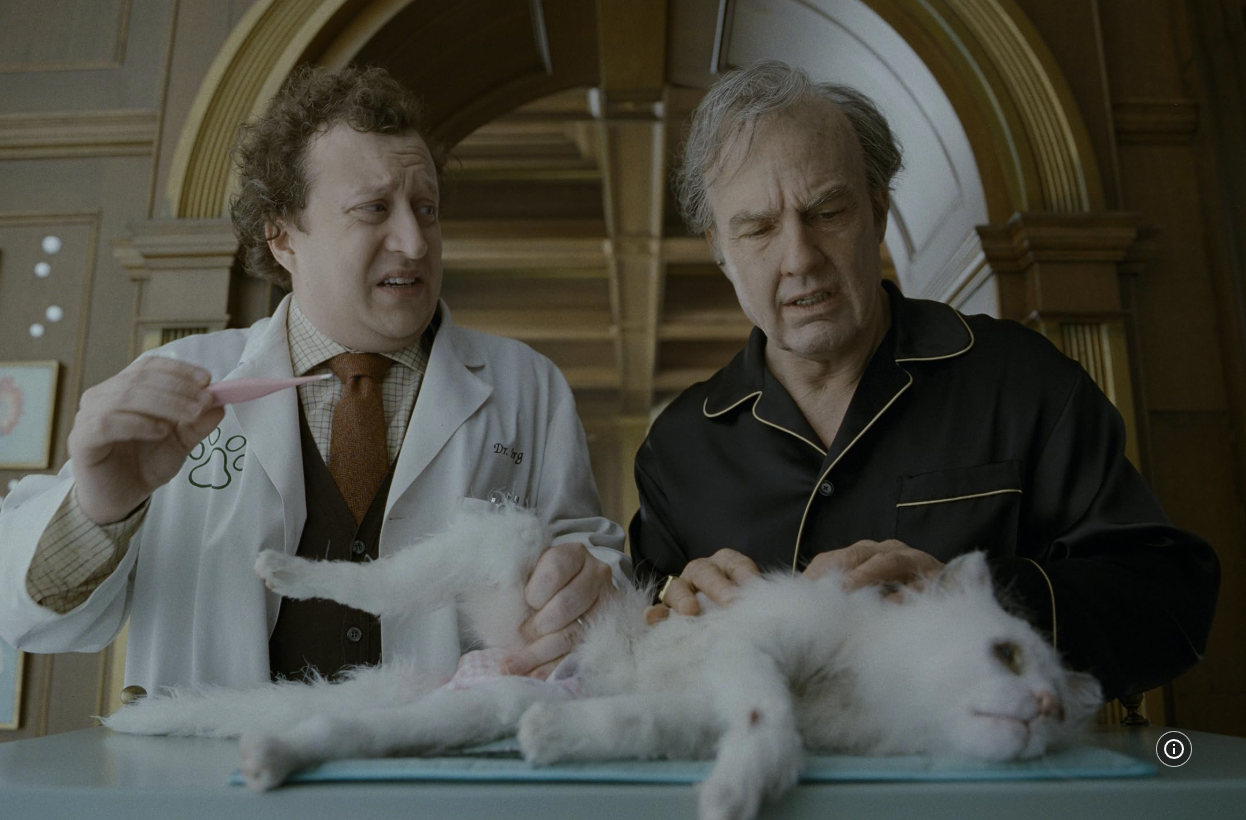
Meanwhile, Cruise’s Digger pads around his palatial digs in silk PJs and cowboy boots, alternately shouting and rhapsodizing about nothing in particular, his overwritten eccentricities laid bare for indiscernible reasons. His mansion home is classic old-money-meets-new: tapestries and boars’ heads adorn the walls, and giant picture windows look out upon dreamy gray vistas. Actually, nearly everything in Digger—shot by the enormously gifted cinematographer Emmanuel Lubezki, is grayish, from the interiors to the cloud-strewn skies to the characters’ skin. The movie is only pretending to be fun; its antic joylessness will more likely wear you down.
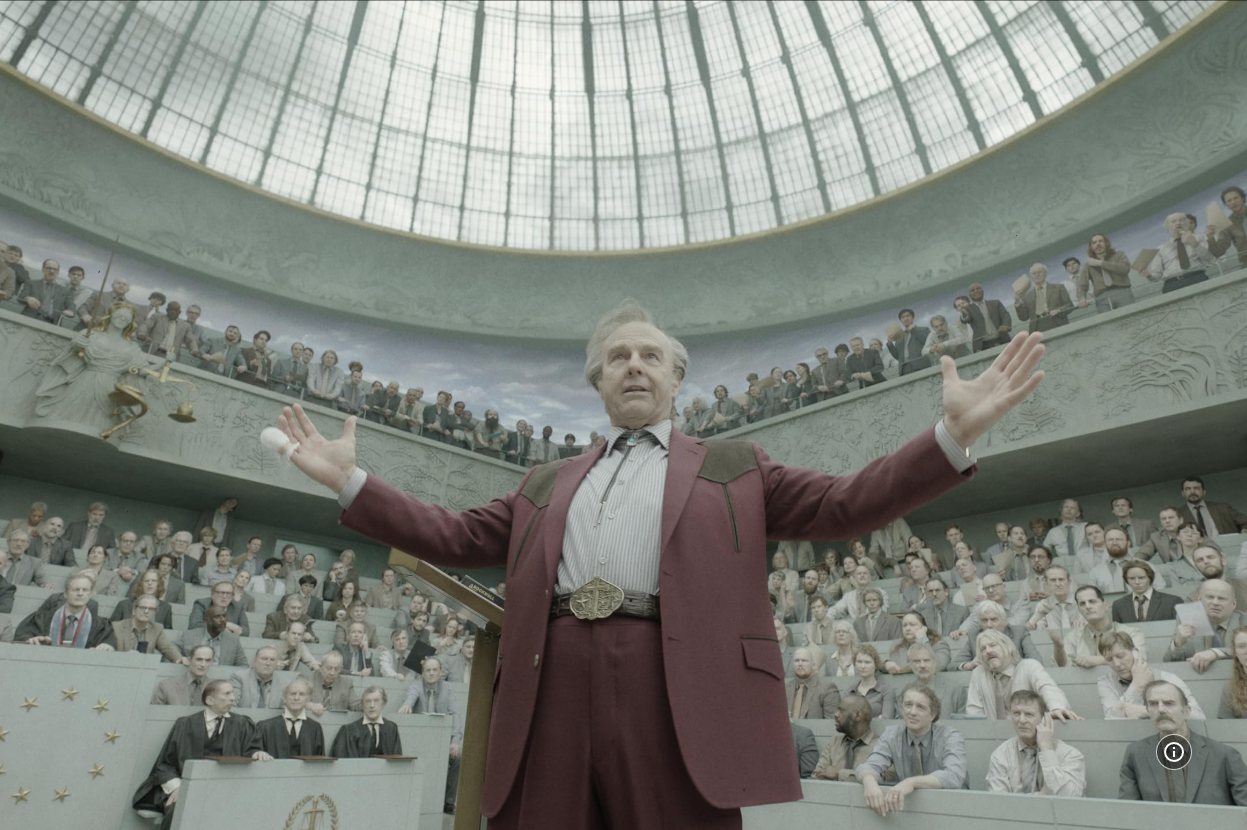
In case you haven’t guessed, Digger is an environmental parable. Early in the picture, Digger receives advance warning of a cataclysmic world event, resulting in the deaths of hundreds of thousands of people. His ruthless quest for oil is the cause of this calamity, but even with his insider knowledge, he does nothing to stop it. Digger’s nervous, well-meaning environmental adviser, played by Riz Ahmed, knows of his boss’s guilt but doesn’t know how to spin it. Later, Digger will face an angry tribunal of world leaders who demand that he explain his actions. He both wows them and angers them with a disarmingly honest speech about how everyone loves oil. It is, after all, the language of freedom. Digger’s point is that Americans specifically, with our need to traverse long distances in our gas-guzzling vehicles, sometimes just to get to the grocery store, are complicit in the sins of big oil, and he’s not wrong. The problem is that he’s so water-is-wet right that his alleged barnburner of a speech is nothing but a scolding rant. It doesn’t so much rev you up as beat you up.
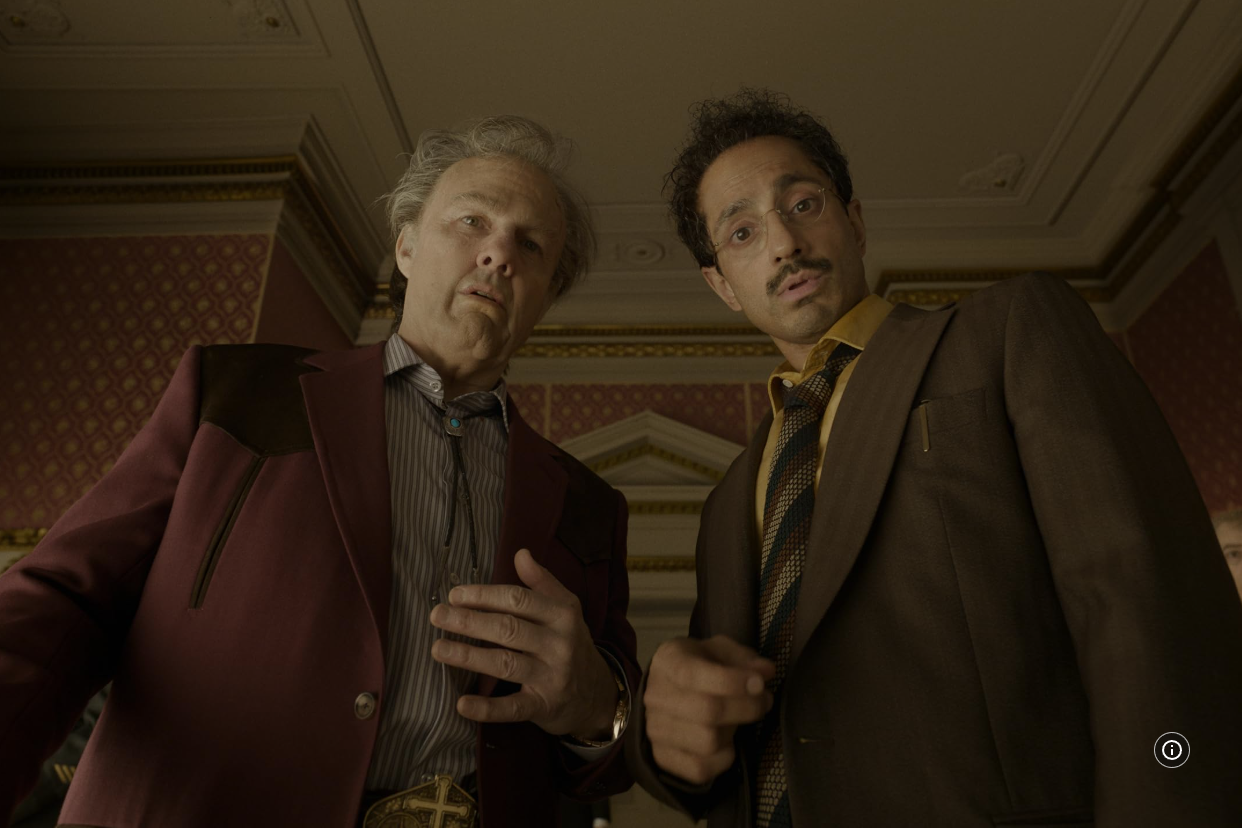
Another alleged surprise: Digger isn’t real—he’s a character in a play (what we’re seeing is a tech rehearsal), and Cruise is merely playing the actor playing him. Iñárritu is a wily one, all right. With the “reality is just a construct” black comedy Birdman, he (almost) fooled us into believing the whole movie consisted of just one shot. While making The Revenant, he subjected his actors to grueling conditions, presumably thinking that allowing them to nearly freeze to death would make his gritty survival tale more realistic. That approach doesn’t empower actors; it insults them. They're professionals who are being paid to act, not to be brutalized.
Digger was cowritten by Iñárritu, Sabina Berman, Alexander Dinelaris Jr., and Nicolás Giacobone, from a story by Iñárritu, Berman, and Jez Butterworth, a too-many-cooks equation if ever there were one. The movie has the peculiar distinction of being both all over the place and laser-focused on its dumb premise; too bad there isn’t an Oscar for that. The play-within-a-movie conceit is just an excuse to show off enormous, elaborate sets-within-the-set: One of the massive picture windows in Digger’s mansion becomes a frame for a stand of miniature trees, tended to by stage-hand giants; it's a cool effect—and yet, so what? There are quite a few actors here you’ll recognize, including an ashen-looking John Goodman—he plays the president of the United States, and his chief function is to boom loudly about the “cancer of the asshole” from which he suffers. Jesse Plemons plays a member of the play’s audience, a man with a secret and a wig that makes him look like Danny Elfman, though he has only a few brief scenes. Occasionally, Sandra Hüller drifts through the movie as if searching for another, better picture that might actually give her something to do. For those who enjoy gazing into cavernous nostrils, there are lots of grotesque low-angle closeups. These performers deserve combat pay.
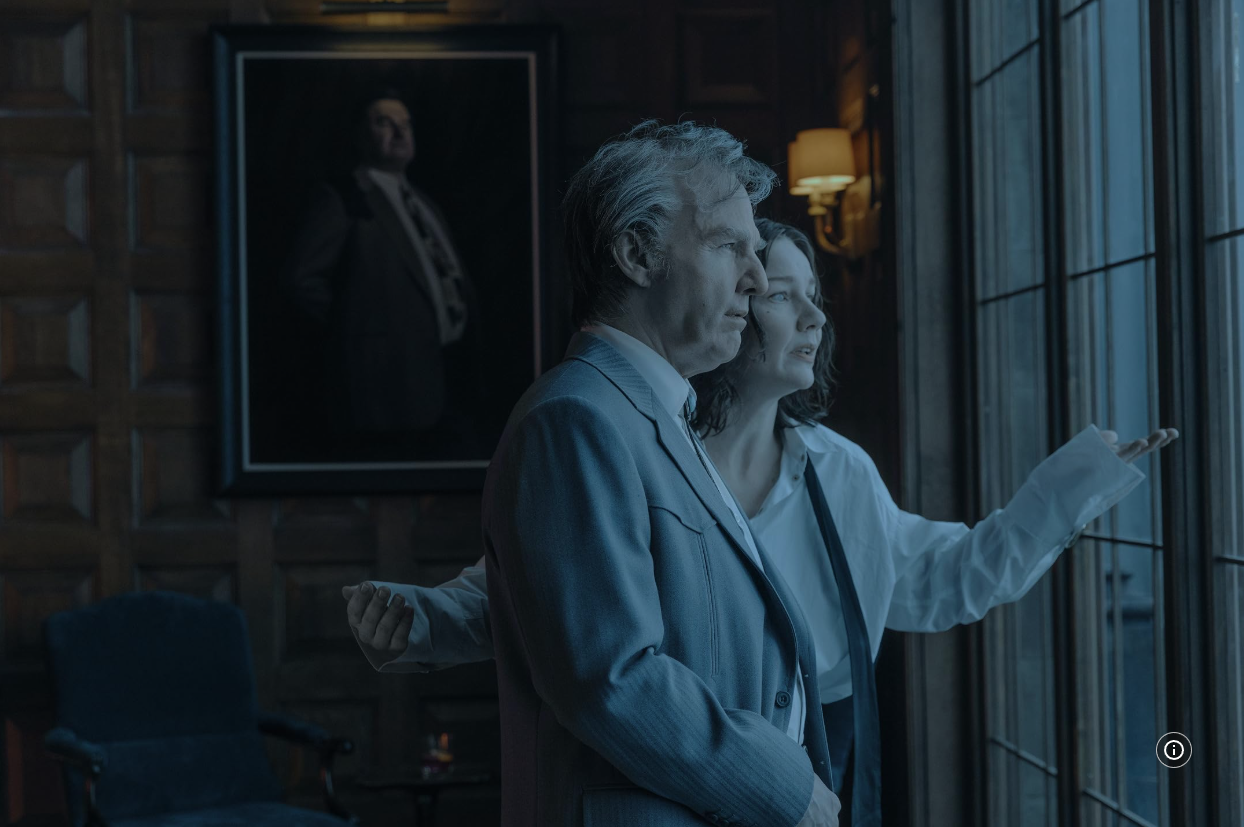
Through the whole of this aggressively unfunny, boneheaded farce, Cruise’s Digger stomps and swaggers, bellows and bloviates. He doesn’t speak his lines, he flings them, like projectiles in a food fight. The ugly prosthetics are perhaps intended to suggest that Cruise has no vanity—he’s perfectly willing to look older and pudgier than he really is, as long as it proves to everyone once and for all that he’s a great actor as well as just a hugely bankable movie star. But acting to prove a point is the antithesis of acting; the point is to do the job, not advertise what a great job you’re doing. That’s the overarching problem with the movie as well. Iñárritu and his star aren’t telling us a story; they’re selling us, relentlessly, on the genius of the movie they’ve made. This is reverse-engineered awards bait, a movie that insists it’s digging for the truth, when all it’s really doing is shoveling.
_________________________________
Chuckles and Thoughts

_________________________________
Six Word Stories
Door closed softly; everything changed loudly
⭐ What the author is saying
“Door closed softly” — the external event is gentle, almost polite. A departure, an ending, a boundary set without drama.
“everything changed loudly” — inside the person, the impact is explosive: realization, heartbreak, liberation, shock, or truth arriving with force.
The emotional geometry is:
Quiet action → Loud consequence. A soft exit becomes a seismic internal shift.
⭐ The deeper meaning
The story captures how small gestures can carry enormous emotional weight. A softly closed door might mean:
someone leaving for good
a relationship ending
a truth finally acknowledged
a boundary drawn
a moment of irreversible change
The world outside stays calm; the world inside erupts.
The author means: A gentle ending triggered a loud transformation.
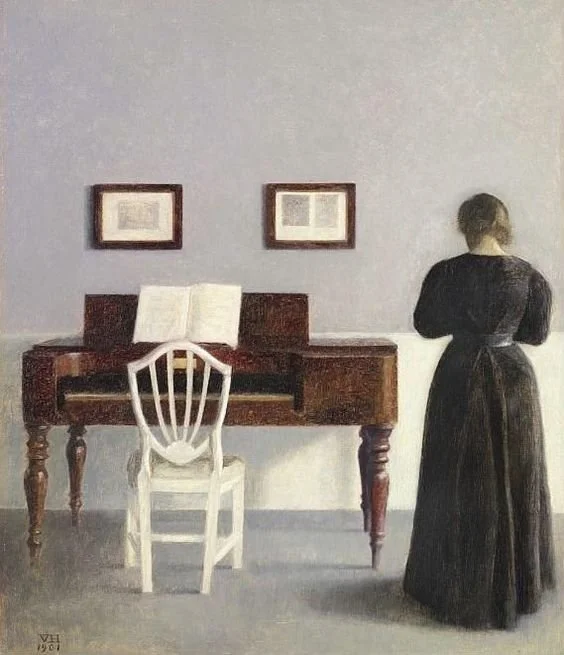
Hammershøi’s Interior with Woman at Piano is a study in deliberate emotional withholding. The woman’s back‑turned posture creates a barrier, making her presence more like an echo than a subject. The muted greys and strict geometry flatten the room into a psychological space where silence becomes the dominant force. Light enters without warming; it only reveals the severity of the interior. The painting suggests a life arranged around absence — a moment where nothing dramatic happens, yet everything feels quietly altered. It’s an image of solitude rendered with restraint, dignity, and a kind of beautiful emotional vacancy.
________________
In the Mailbag
This from friend Victor P and Founding Father of Friends of the North End:
Dom,
I found the Six Word Stories section of your ezine so appropriate because it was issued shortly after the Friends of the North End’s 54th annual reunion. There were 91 of ‘us.’ When I was making out the name tags, I could easily conjure a face and a memory with so many of the attendees and boyhood friends! One or perhaps several memories recalled and surely anchored. God bless the North End we grew up in!
Victor
Editor: In all my many years I’ve never come across a neighborhood as tight as our North End.
And this from my friend Tommy D, President of North end Museum:
Old friendships and how we hold on to them. I like what you shared. Mine are filled with multiple memories.
And this from my dear friend Colleen:
Dom!
Good luck planning your Paris trip. George and I go in a couple weeks to meet up with Alice and then see some of Paris and then head to the south of France. I will let you know of any places I can recommend for your trip. In the meantime, I thought I'd offer up this youtube series that George and I have enjoyed watching periodically by a man who is from France and an American woman, married to the French man, who lived in America and are now back living in France. They are entertaining and also have good tips that combine his knowledge of France and his well-spoken French linguistics as well as his wife's ability to play the "American tourist" role to see the different treatment or scams that are sometimes around. Otherwise, they have info and suggestions for eating, etc that may be of interest to you. Here's their youtube channel, which you can look up on your television if you can access YouTube on there, which is how we watch the shows with our Roku: Les Frenchies - YouTube
Have fun planning!
Cheers,
Colleen
Editor: The planning is so important. Please share your experiences with us.
__________________________
Penultimate Comment
The summer draws to a close and, looking back, it was the most enjoyable in the last ten.
Birding, eating and drinking, hosting a dinner party for twenty, local traveling, private social moments, quiet solo moments, and warm, pleasant temperatures, among the fine times.
Last Comment
Note on Gummies:
Looking to push the gummy envelope, hoping to raise my sleep from 5 to 6 hours per night, I increased my dosage from 10mg to 12.5. The result, for the first time in my 3 years of using gummies, I had a very brief (3 seconds) nightmare: an angry native American had straggled me on my bed and had his arm raised to smash me. I woke w a jump and the realization that 10mg is my limit. Do not want to introduce hallucinations into my life.
!!!!!!!!!!!!!!!!!!!!!!!!!!!!!!!!!!!!!!!!!!!!!!!!!!!!!!!!!!!!!!!!!!!!!!!!!!!!!!!!!!!!!!!!!!!!!!!!!!!!!!!!!!!!!!!!!!!!!!!!!!!!!!!!!!!!!!!!!!!!!!!!!!!!!!!!!!!!!!!!!!!!!!!!!!!!!!!!!!!!!!!!!!!!!!!!!!!!!!!!!!!!!!!!!!!!!!!!!!!!!!!!!!!!!!!!!!!!!!!!!!!!!!!!!!!!!!!!!!!!!!!!!!!!!!!!!!!!!!!!!!!!!!!!!!!!!!!!!!!!!!!!!!!!!!!!!!!!!!!!!!!!!!!!!!!!!!!!!!!!!!!!!!!!!!!!!!!!!!!!!!!!!!!!